


- Afhalen na 1 uur in een winkel met voorraad
- Gratis thuislevering in België vanaf € 30
- Ruim aanbod met 7 miljoen producten
- Afhalen na 1 uur in een winkel met voorraad
- Gratis thuislevering in België vanaf € 30
- Ruim aanbod met 7 miljoen producten





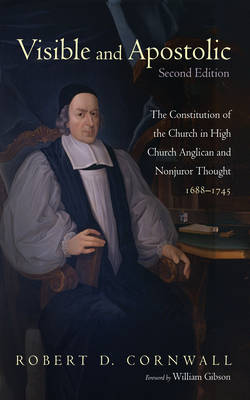
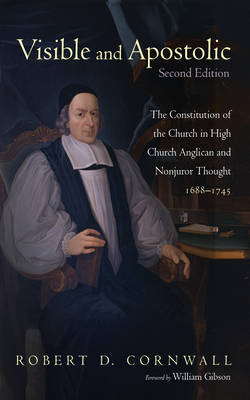
Visible and Apostolic, Second Edition
The Constitution of the Church in High Church Anglican and Nonjuror Thought 1688-1745
Robert D Cornwall
Paperback | Engels
€ 46,45
+ 92 punten
Uitvoering
Omschrijving
Robert Cornwall's revision of Visible and Apostolic, which brings the original book up to date, demonstrates how High Church Anglican and Nonjuror ecclesiology underlay many important controversies that faced church and state during the period 1688 to 1745, a period that ran from the Glorious Revolution to the final Jacobite rebellion in 1745. High Churchmen and Nonjurors--the latter being High Churchmen deprived of their positions because they refused to renounce allegiance to James II and take the oaths to William and Mary--attempted to defend the integrity of the true church in England, a church they believed was visible, episcopal, sacramental, and apostolic. In support of their efforts, these High Churchmen, who sought to turn back threats from Deism, Latitudinarianism, Roman Catholicism, and Protestant Nonconformity, made use of the threefold cord of authority: Scripture, tradition, and reason. Important controversies addressed include attempts at the comprehension of Dissenters into the established church, the Convocation and Bangorian Controversies, as well as debates over the Toleration Act, the practice of occasional conformity, and lay baptism. This edition also explores more deeply than the first edition, the Usages Controversy that divided the later Nonjurors.
Specificaties
Betrokkenen
- Auteur(s):
- Uitgeverij:
Inhoud
- Aantal bladzijden:
- 250
- Taal:
- Engels
Eigenschappen
- Productcode (EAN):
- 9798385268535
- Verschijningsdatum:
- 7/05/2026
- Uitvoering:
- Paperback
- Formaat:
- Trade paperback (VS)
- Afmetingen:
- 152 mm x 229 mm
- Gewicht:
- 340 g


Alleen bij Standaard Boekhandel
+ 92 punten op je klantenkaart van Standaard Boekhandel
Cadeau

AANGERADEN


Beoordelingen
We publiceren alleen reviews die voldoen aan de voorwaarden voor reviews. Bekijk onze voorwaarden voor reviews.