



Bedankt voor het vertrouwen het afgelopen jaar! Om jou te bedanken bieden we GRATIS verzending (in België) aan op alles gedurende de hele maand januari.
- Afhalen na 1 uur in een winkel met voorraad
- In januari gratis thuislevering in België
- Ruim aanbod met 7 miljoen producten
Bedankt voor het vertrouwen het afgelopen jaar! Om jou te bedanken bieden we GRATIS verzending (in België) aan op alles gedurende de hele maand januari.
- Afhalen na 1 uur in een winkel met voorraad
- In januari gratis thuislevering in België
- Ruim aanbod met 7 miljoen producten





€ 33,95
+ 67 punten
Uitvoering
Omschrijving
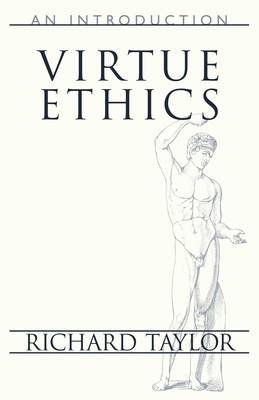
In this fresh evaluation of Western ethics, noted philosopher Richard Taylor argues that philosophy must return to the classical notion of virtue as the basis of ethics. To ancient Greek and Roman philosophers, ethics was chiefly the study of how individuals attain personal excellence, or "virtue," defined as intellectual sophistication, wisdom, strength of character, and creativity. With the ascendancy of the Judeo-Christian ethic, says Taylor, this emphasis on pride of personal worth was lost. Instead, philosophy became preoccupied with defining right and wrong in terms of a divine lawgiver, and the concept of virtue was debased to mean mere obedience to divine law. Even today, in the absence of religious belief, modern thinkers unwittingly continue this legacy by creating hairsplitting definitions of good and evil.Taylor points out that the ancients rightly understood the ultimate concern of ethics to be the search for happiness, a concept that seems to have eluded contemporary society despite unprecedented prosperity and convenience. Extolling Aristotle's Nicomachean Ethics, Taylor urges us to reread this brilliant and still relevant treatise, especially its emphasis on an ethic of aspiration.
Specificaties
Betrokkenen
- Auteur(s):
- Uitgeverij:
Inhoud
- Aantal bladzijden:
- 144
- Taal:
- Engels
- Reeks:
Eigenschappen
- Productcode (EAN):
- 9781573929431
- Verschijningsdatum:
- 1/03/2002
- Uitvoering:
- Paperback
- Formaat:
- Trade paperback (VS)
- Afmetingen:
- 153 mm x 228 mm
- Gewicht:
- 213 g


Alleen bij Standaard Boekhandel
+ 67 punten op je klantenkaart van Standaard Boekhandel
SOLDEN


Beoordelingen
We publiceren alleen reviews die voldoen aan de voorwaarden voor reviews. Bekijk onze voorwaarden voor reviews.