


- Afhalen na 1 uur in een winkel met voorraad
- Gratis thuislevering in België vanaf € 30
- Ruim aanbod met 7 miljoen producten
- Afhalen na 1 uur in een winkel met voorraad
- Gratis thuislevering in België vanaf € 30
- Ruim aanbod met 7 miljoen producten





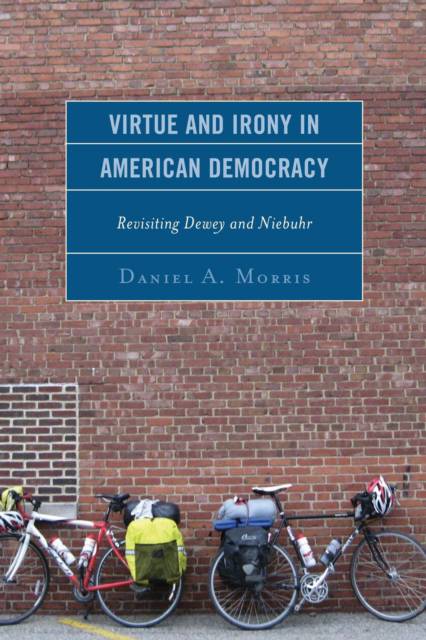
Virtue and Irony in American Democracy
Revisiting Dewey and Niebuhr
Daniel A Morris
Paperback | Engels
€ 88,45
+ 176 punten
Omschrijving
What virtues are necessary for democracy to succeed? This book turns to John Dewey and Reinhold Niebuhr, two of America's most influential theorists of democracy, to answer this question. Dewey and Niebuhr both implied--although for very different reasons--that humility and mutuality are important virtues for the success of people rule. Not only do these virtues allow people to participate well in their own governance, they also equip us to meet challenges to democracy generated by free-market economic policy and practices. Ironically, though, Dewey and Niebuhr quarreled with each other for twenty years and missed the opportunity to achieve political consensus. In their discourse with each other they failed to become "one out of many," a task that is distilled in the democratic rallying cry "e pluribus unum." This failure itself reflects a deficiency in democratic virtue. Thus, exploring the Dewey/Niebuhr debate with attention to their discursive failures reveals the importance of a third virtue: democratic tolerance. If democracy is to succeed, we must cultivate a deeper hospitality toward difference than Dewey and Niebuhr were able to extend to each other.
Specificaties
Betrokkenen
- Auteur(s):
- Uitgeverij:
Inhoud
- Aantal bladzijden:
- 280
- Taal:
- Engels
Eigenschappen
- Productcode (EAN):
- 9781498500760
- Verschijningsdatum:
- 11/04/2019
- Uitvoering:
- Paperback
- Formaat:
- Trade paperback (VS)
- Afmetingen:
- 152 mm x 229 mm
- Gewicht:
- 394 g



Alleen bij Standaard Boekhandel
+ 176 punten op je klantenkaart van Standaard Boekhandel
Cadeau

AANGERADEN


Beoordelingen
We publiceren alleen reviews die voldoen aan de voorwaarden voor reviews. Bekijk onze voorwaarden voor reviews.