


- Afhalen na 1 uur in een winkel met voorraad
- Gratis thuislevering in België vanaf € 30
- Ruim aanbod met 7 miljoen producten
- Afhalen na 1 uur in een winkel met voorraad
- Gratis thuislevering in België vanaf € 30
- Ruim aanbod met 7 miljoen producten





€ 74,45
+ 148 punten
Omschrijving
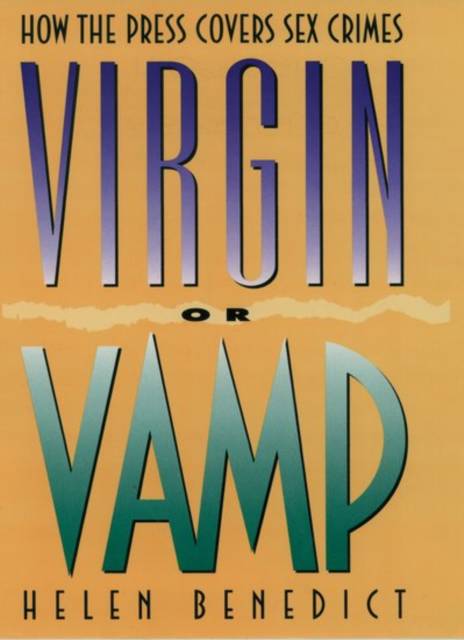
In the last few years, the national press has lavished coverage on several major sex-related scandals: the Clarence Thomas-Anita Hill hearings, the William Kennedy Smith rape trial, and the Mike Tyson case. With each event came lurid stories pitting either a loose or virginal woman against an unwilling or monstrous man. Such extreme coverage, argues Helen Benedict, perpetuates myths that are harmful to victims of these crimes (and sometimes to the accused).
In Virgin or Vamp Benedict examines the press's treatment of four notorious sex crimes from the past decade--the Rideout marital rape trial in Oregon, the Big Dan's pool table gang rape in Massachusetts, the "Preppy Murder" in New York City, and the Central Park jogger case--and shows how victims are labelled either as virgins or vamps, a practice she condemns as misleading and harmful. Benedict also looks at other factors that perpetuate the misunderstanding of rape. For instance, she shows how the New York press presented the Central Park jogger rape case as motivated by racism because of its unwillingness to consider rape an issue of gender. She also addresses our inherent language bias, the press's tendency to use sexually suggestive language to describe crime victims, and its preference for crimes against whites. In conclusion, Benedict offers a number of solutions that will help reporters cover these increasingly common crimes without further harming the victims, the defendants, or public understanding.
In Virgin or Vamp Benedict examines the press's treatment of four notorious sex crimes from the past decade--the Rideout marital rape trial in Oregon, the Big Dan's pool table gang rape in Massachusetts, the "Preppy Murder" in New York City, and the Central Park jogger case--and shows how victims are labelled either as virgins or vamps, a practice she condemns as misleading and harmful. Benedict also looks at other factors that perpetuate the misunderstanding of rape. For instance, she shows how the New York press presented the Central Park jogger rape case as motivated by racism because of its unwillingness to consider rape an issue of gender. She also addresses our inherent language bias, the press's tendency to use sexually suggestive language to describe crime victims, and its preference for crimes against whites. In conclusion, Benedict offers a number of solutions that will help reporters cover these increasingly common crimes without further harming the victims, the defendants, or public understanding.
Specificaties
Betrokkenen
- Auteur(s):
- Uitgeverij:
Inhoud
- Aantal bladzijden:
- 320
- Taal:
- Engels
Eigenschappen
- Productcode (EAN):
- 9780195086652
- Verschijningsdatum:
- 9/09/1993
- Uitvoering:
- Paperback
- Formaat:
- Trade paperback (VS)
- Afmetingen:
- 137 mm x 204 mm
- Gewicht:
- 276 g


Alleen bij Standaard Boekhandel
+ 148 punten op je klantenkaart van Standaard Boekhandel
Cadeau

AANGERADEN


Beoordelingen
We publiceren alleen reviews die voldoen aan de voorwaarden voor reviews. Bekijk onze voorwaarden voor reviews.