


- Afhalen na 1 uur in een winkel met voorraad
- Gratis thuislevering in België vanaf € 30
- Ruim aanbod met 7 miljoen producten
- Afhalen na 1 uur in een winkel met voorraad
- Gratis thuislevering in België vanaf € 30
- Ruim aanbod met 7 miljoen producten





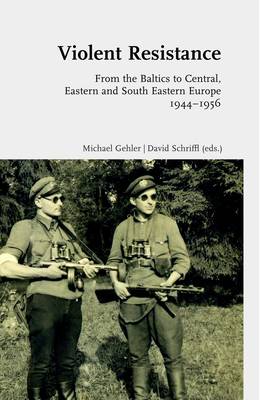
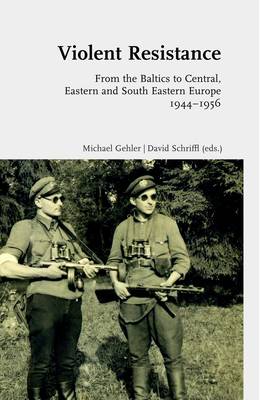
Violent Resistance
From the Baltics to Central, Eastern and South Eastern Europe 1944-1956
Michael Gehler, David Schriffl
Hardcover | Engels
€ 94,95
+ 189 punten
Omschrijving
The end of the Second World war did not mean the end of violence for many regions in Eastern Europe. The establishment of Communist-led governments often met not only civil but also armed resistance. These actions were taken by partisan groups and paramilitary forces which in some cases had been formed already during the war to support axis forces. In other cases - like Poland's Armia Krajowa - they fought Nazi and Soviet occupiers with the same fervour. The aims of the fighters were the end of Communist rule and - like in the Baltic region - independence from the Soviet Union. Difficulties in accessing sources and research taboos as well as a focus on other aspects of the Cold War are reasons why violent resistance in Europe after the Second World War is a topic yet rather underestimated and comparably little investigated by historiography. This book gives a comprehensive first overview of the ultimately futile attempts to end the rule of Moscow and her proxies.
Specificaties
Betrokkenen
- Auteur(s):
- Uitgeverij:
Inhoud
- Aantal bladzijden:
- 471
- Taal:
- Engels
Eigenschappen
- Productcode (EAN):
- 9783506703040
- Verschijningsdatum:
- 4/09/2020
- Uitvoering:
- Hardcover
- Formaat:
- Genaaid
- Afmetingen:
- 154 mm x 238 mm
- Gewicht:
- 907 g


Alleen bij Standaard Boekhandel
+ 189 punten op je klantenkaart van Standaard Boekhandel
AANGERADEN


Beoordelingen
We publiceren alleen reviews die voldoen aan de voorwaarden voor reviews. Bekijk onze voorwaarden voor reviews.