


- Afhalen na 1 uur in een winkel met voorraad
- Gratis thuislevering in België vanaf € 30
- Ruim aanbod met 7 miljoen producten
- Afhalen na 1 uur in een winkel met voorraad
- Gratis thuislevering in België vanaf € 30
- Ruim aanbod met 7 miljoen producten




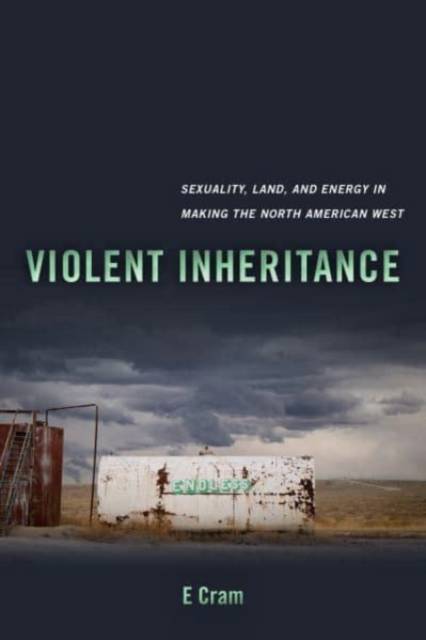
Violent Inheritance
Sexuality, Land, and Energy in Making the North American West Volume 3
Emerson Cram
€ 59,45
+ 118 punten
Uitvoering
Omschrijving
Violent Inheritance deepens the analysis of settler colonialism's endurance in the North American West and how infrastructures that ground sexual modernity are both reproduced and challenged by publics who have inherited them. E Cram redefines sexual modernity through extractivism, wherein sexuality functions to extract value from life including land, air, minerals, and bodies. Analyzing struggles over memory cultures through the region's land use controversies at the turn of and well into the twentieth century, Cram unpacks the consequences of western settlement and the energy regimes that fueled it. Transfusing queer eco-criticism with archival and ethnographic research, Cram reconstructs the linkages--"land lines"--between infrastructure, violence, sexuality, and energy and shows how racialized sexual knowledges cultivated settler colonial cultures of both innervation and enervation. From the residential school system to elite health seekers desiring the "electric" climates of the Rocky Mountains to the wartime incarceration of Japanese Americans, Cram demonstrates how the environment promised to some individuals access to vital energy and to others the exhaustion of populations through state violence and racial capitalism. Grappling with these land lines, Cram insists, helps interrogate regimes of value and build otherwise unrealized connections between queer studies and the environmental and energy humanities.
Specificaties
Betrokkenen
- Auteur(s):
- Uitgeverij:
Inhoud
- Aantal bladzijden:
- 292
- Taal:
- Engels
- Reeks:
Eigenschappen
- Productcode (EAN):
- 9780520379473
- Verschijningsdatum:
- 24/05/2022
- Uitvoering:
- Paperback
- Formaat:
- Trade paperback (VS)
- Afmetingen:
- 150 mm x 226 mm
- Gewicht:
- 385 g



Alleen bij Standaard Boekhandel
+ 118 punten op je klantenkaart van Standaard Boekhandel
Cadeau

AANGERADEN


Beoordelingen
We publiceren alleen reviews die voldoen aan de voorwaarden voor reviews. Bekijk onze voorwaarden voor reviews.