


- Afhalen na 1 uur in een winkel met voorraad
- Gratis thuislevering in België vanaf € 30
- Ruim aanbod met 7 miljoen producten
- Afhalen na 1 uur in een winkel met voorraad
- Gratis thuislevering in België vanaf € 30
- Ruim aanbod met 7 miljoen producten





€ 56,45
+ 112 punten
Uitvoering
Omschrijving
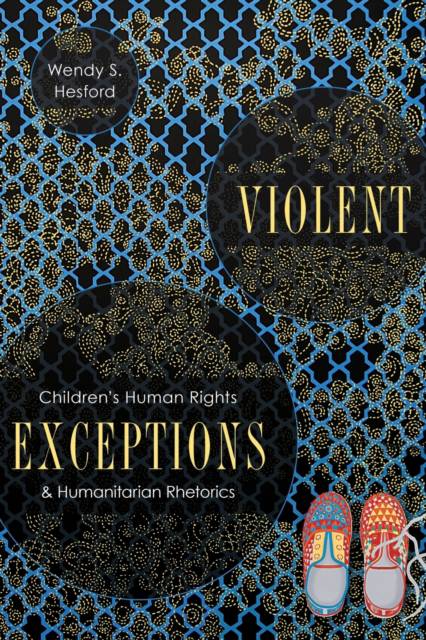
Violent Exceptions turns to the humanitarian figure of the child-in-peril in twenty-first-century political discourse to better understand how this figure is appropriated by political constituencies for purposes rarely to do with the needs of children at risk. Wendy S. Hesford shows how the figure of the child-in-peril is predicated on racial division, which, she argues, is central to both conservative and liberal logics, especially at times of crisis when politicians leverage humanitarian storytelling as a political weapon. Through iconic images and stories of child migrants, child refugees, undocumented children, child soldiers, and children who are victims of war, terrorism, and state violence, Violent Exceptions illustrates how humanitarian rhetoric turns public attention away from systemic violations against children's human rights and reframes this violence as exceptional-erasing more gradual forms of violence and minimizing human rights potential to counteract these violations and the precarious conditions from which they arise.
Specificaties
Betrokkenen
- Auteur(s):
- Uitgeverij:
Inhoud
- Aantal bladzijden:
- 282
- Taal:
- Engels
- Reeks:
Eigenschappen
- Productcode (EAN):
- 9780814257906
- Verschijningsdatum:
- 5/05/2021
- Uitvoering:
- Paperback
- Formaat:
- Trade paperback (VS)
- Afmetingen:
- 152 mm x 226 mm
- Gewicht:
- 381 g


Alleen bij Standaard Boekhandel
+ 112 punten op je klantenkaart van Standaard Boekhandel
Cadeau

AANGERADEN


Beoordelingen
We publiceren alleen reviews die voldoen aan de voorwaarden voor reviews. Bekijk onze voorwaarden voor reviews.