


- Afhalen na 1 uur in een winkel met voorraad
- Gratis thuislevering in België vanaf € 30
- Ruim aanbod met 7 miljoen producten
- Afhalen na 1 uur in een winkel met voorraad
- Gratis thuislevering in België vanaf € 30
- Ruim aanbod met 7 miljoen producten





€ 72,45
+ 144 punten
Omschrijving
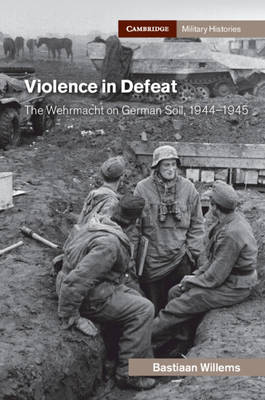
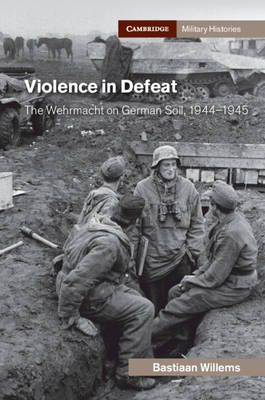
In the final year of the Second World War, as bitter defensive fighting moved to German soil, a wave of intra-ethnic violence engulfed the country. Bastiaan Willems offers the first study into the impact and behaviour of the Wehrmacht on its own territory, focusing on the German units fighting in East Prussia and its capital Königsberg. He shows that the Wehrmacht's retreat into Germany, after three years of brutal fighting on the Eastern Front, contributed significantly to the spike of violence which occurred throughout the country immediately prior to defeat. Soldiers arriving with an ingrained barbarised mindset, developed on the Eastern Front, shaped the immediate environment of the area of operations, and of Nazi Germany as a whole. Willems establishes how the norms of the Wehrmacht as a retreating army impacted behavioural patterns on the home front, arguing that its presence increased the propensity to carry out violence in Germany.
Specificaties
Betrokkenen
- Auteur(s):
- Uitgeverij:
Inhoud
- Aantal bladzijden:
- 366
- Taal:
- Engels
- Reeks:
Eigenschappen
- Productcode (EAN):
- 9781108479721
- Verschijningsdatum:
- 18/02/2021
- Uitvoering:
- Hardcover
- Formaat:
- Genaaid
- Afmetingen:
- 196 mm x 234 mm
- Gewicht:
- 635 g


Alleen bij Standaard Boekhandel
+ 144 punten op je klantenkaart van Standaard Boekhandel
Cadeau

AANGERADEN


Beoordelingen
We publiceren alleen reviews die voldoen aan de voorwaarden voor reviews. Bekijk onze voorwaarden voor reviews.