



Bedankt voor het vertrouwen het afgelopen jaar! Om jou te bedanken bieden we GRATIS verzending (in België) aan op alles gedurende de hele maand januari.
- Afhalen na 1 uur in een winkel met voorraad
- In januari gratis thuislevering in België
- Ruim aanbod met 7 miljoen producten
Bedankt voor het vertrouwen het afgelopen jaar! Om jou te bedanken bieden we GRATIS verzending (in België) aan op alles gedurende de hele maand januari.
- Afhalen na 1 uur in een winkel met voorraad
- In januari gratis thuislevering in België
- Ruim aanbod met 7 miljoen producten





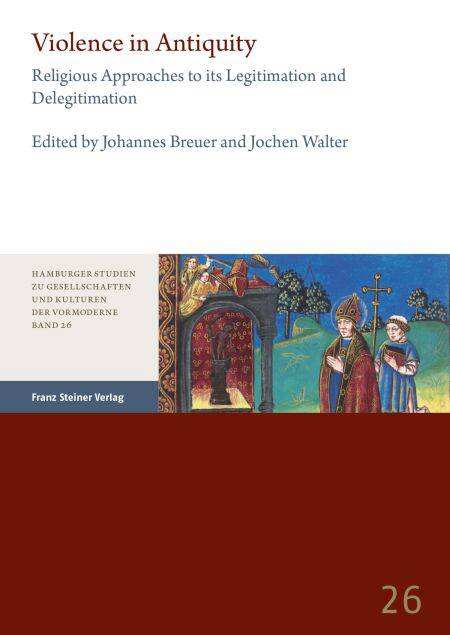
Violence in Antiquity / Gewalt in der Antike E-BOOK
€ 42,00
+ 42 punten
Uitvoering
Omschrijving
What is the role of religious aspects in legitimizing or delegitimizing violence? The articles of this volume provide an important contribution to this crucial social and scholarly debate. Analysing a broad spectrum of case studies from antiquity, they focus on religious justifications or evaluations of recommended, performed, or forbidden acts of violence – regardless of the question of their historicity. Not only late antiquity and Christianity are considered, but also pre-Christian Greek and Roman civilizations, Judaism, literary myth, and atheism. The case studies cover the period from the fifth century BCE to the fifth century CE and a broad geographical scope extending from Gaul to Israel and Egypt. This volume offers new insights into a highly topical issue.
Specificaties
Betrokkenen
- Uitgeverij:
Inhoud
- Aantal bladzijden:
- 191
- Taal:
- Engels, Duits
- Reeks:
Eigenschappen
- Productcode (EAN):
- 9783515134545
- Verschijningsdatum:
- 18/10/2023
- Uitvoering:
- E-book
- Beveiligd met:
- Digital watermarking
- Formaat:


Alleen bij Standaard Boekhandel
+ 42 punten op je klantenkaart van Standaard Boekhandel
SOLDEN


Beoordelingen
We publiceren alleen reviews die voldoen aan de voorwaarden voor reviews. Bekijk onze voorwaarden voor reviews.