


- Afhalen na 1 uur in een winkel met voorraad
- Gratis thuislevering in België vanaf € 30
- Ruim aanbod met 7 miljoen producten
- Afhalen na 1 uur in een winkel met voorraad
- Gratis thuislevering in België vanaf € 30
- Ruim aanbod met 7 miljoen producten





€ 201,45
+ 402 punten
Omschrijving
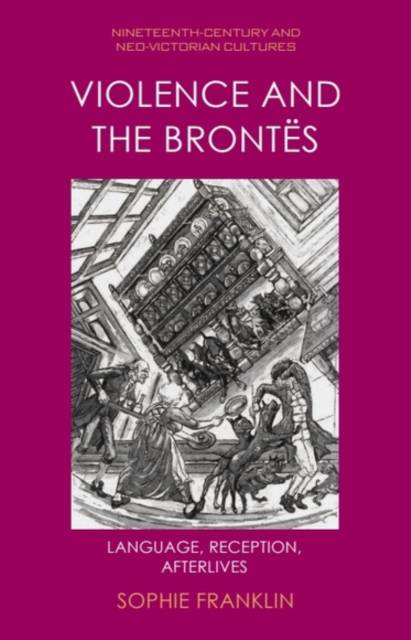
The well-known and well-loved writings of Anne, Charlotte and Emily Brontë are full of violence. From the many battles waged in their early writings to the violent emotions and threats expressed in their published novels, the Brontës' representations of brutality shocked Victorian reviewers and continue to surprise readers in the twenty-first century. Violence and the Brontës accounts for such intense reactions by reading the sisters' literary violences as transformational, encompassing harm, pain and suffering while at times also signalling creativity and even renewal. Through a new reading of the Brontës' major works, as well as film, stage and television adaptations, this book argues that violence is at the centre of the Brontës' imaginative engagements with nineteenth-century life. In the process, it demonstrates how violence continues to be vital to interpreting the Brontës' reception history and afterlives in modern culture.
Specificaties
Betrokkenen
- Auteur(s):
- Uitgeverij:
Inhoud
- Aantal bladzijden:
- 288
- Taal:
- Engels
- Reeks:
Eigenschappen
- Productcode (EAN):
- 9781399523004
- Verschijningsdatum:
- 30/09/2025
- Uitvoering:
- Hardcover
- Formaat:
- Genaaid
- Afmetingen:
- 156 mm x 234 mm
- Gewicht:
- 580 g


Alleen bij Standaard Boekhandel
+ 402 punten op je klantenkaart van Standaard Boekhandel
Cadeau

AANGERADEN


Beoordelingen
We publiceren alleen reviews die voldoen aan de voorwaarden voor reviews. Bekijk onze voorwaarden voor reviews.