


- Afhalen na 1 uur in een winkel met voorraad
- Gratis thuislevering in België vanaf € 30
- Ruim aanbod met 7 miljoen producten
- Afhalen na 1 uur in een winkel met voorraad
- Gratis thuislevering in België vanaf € 30
- Ruim aanbod met 7 miljoen producten





€ 18,57
+ 18 punten
Uitvoering
Omschrijving
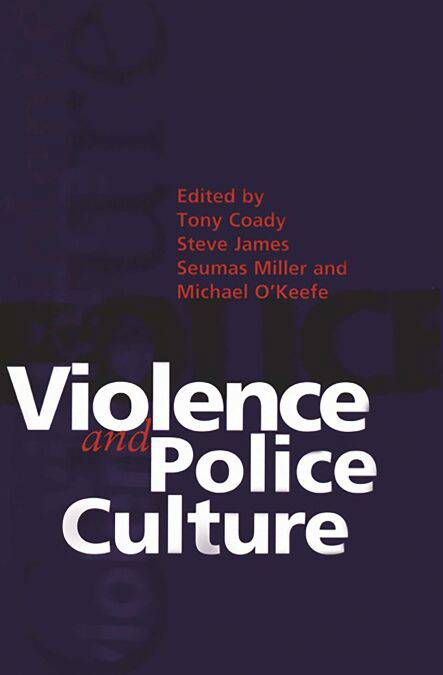
Violence and policing are inevitably associated. Criminals use violence not only against innocent members of the public, but also against the police themselves. For our own protection and theirs, we have given police a licence to use force, sometimes with lethal consequences.
But the exercise of this licence is fraught with risk to the community. The disturbing record of police shootings in Victoria, and irresponsible police violence elsewhere in recent years, vividly illustrate this risk. The public outcry against such events is understandable. To find a solution, we need to analyse the contexts and the cultural background of the use of police violence, and to think hard about its causes and proper limits.
In Violence and Police Culture, eminent contributors offer valuable insights and experience to the growing debate. While Australian in origin and emphasis, the book addresses a public issue that resonates as far afield as London, New York, Tokyo and Belfast.
Violence and Police Culture argues that there are features of police culture which foster abuse of the right to use violence. The book makes positive suggestions about institutional changes that might alleviate the problems bedevilling what the philosopher Thomas Hobbes called 'the right of the sword'.
But the exercise of this licence is fraught with risk to the community. The disturbing record of police shootings in Victoria, and irresponsible police violence elsewhere in recent years, vividly illustrate this risk. The public outcry against such events is understandable. To find a solution, we need to analyse the contexts and the cultural background of the use of police violence, and to think hard about its causes and proper limits.
In Violence and Police Culture, eminent contributors offer valuable insights and experience to the growing debate. While Australian in origin and emphasis, the book addresses a public issue that resonates as far afield as London, New York, Tokyo and Belfast.
Violence and Police Culture argues that there are features of police culture which foster abuse of the right to use violence. The book makes positive suggestions about institutional changes that might alleviate the problems bedevilling what the philosopher Thomas Hobbes called 'the right of the sword'.
Specificaties
Betrokkenen
- Auteur(s):
- Uitgeverij:
Inhoud
- Aantal bladzijden:
- 340
- Taal:
- Engels
Eigenschappen
- Productcode (EAN):
- 9780522863444
- Verschijningsdatum:
- 23/05/2013
- Uitvoering:
- E-book
- Beveiligd met:
- Adobe DRM
- Formaat:
- ePub


Alleen bij Standaard Boekhandel
+ 18 punten op je klantenkaart van Standaard Boekhandel
AANGERADEN


Beoordelingen
We publiceren alleen reviews die voldoen aan de voorwaarden voor reviews. Bekijk onze voorwaarden voor reviews.