


- Afhalen na 1 uur in een winkel met voorraad
- Gratis thuislevering in België vanaf € 30
- Ruim aanbod met 7 miljoen producten
- Afhalen na 1 uur in een winkel met voorraad
- Gratis thuislevering in België vanaf € 30
- Ruim aanbod met 7 miljoen producten





€ 153,70
+ 307 punten
Omschrijving
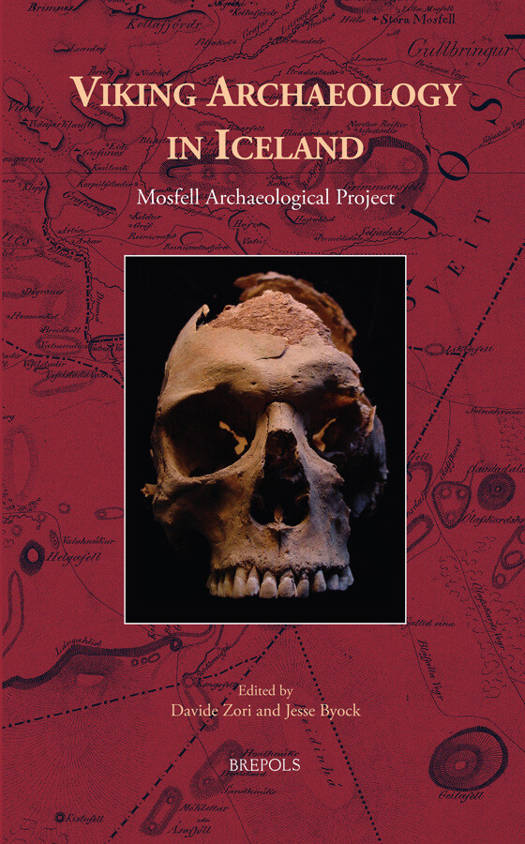
The Viking North Atlantic differs significantly from the popular image of violent raids and destruction characterizing the Viking Age in Northern Europe. In Iceland, Scandinavian seafarers discovered and settled a large uninhabited island. In order to survive and succeed, they adapted lifestyles and social strategies to a new environment. The result was a new society, the Icelandic Free State. This volume examines the Viking Age in Iceland through the discoveries and excavations of the Mosfell Archaeological Project (MAP) in Iceland's Mosfell Valley. Directed by Professor Jesse Byock, with Field Director Davide Zori, MAP brings together scholars and researchers from Iceland, Britain, Canada, Denmark, Norway, Sweden, Germany, and the United States. The Project incorporates the disciplines of archaeology, history, saga studies, osteology, zoology, paleobotany, genetics, isotope studies, place names studies, environmental science, and historical architecture. The decade-long research of MAP has led to the discovery of an exceptionally well-preserved Viking chieftain's farmstead, including a longhouse, pagan cremation site, a conversion-era stave church, and a Christian graveyard. The research results presented here tell the story of how the Mosfell Valley developed from a ninth-century settlement of Norse seafarers into a powerful Icelandic chieftaincy of the Viking Age.
Specificaties
Betrokkenen
- Auteur(s):
- Uitgeverij:
Inhoud
- Aantal bladzijden:
- 282
- Taal:
- Engels
- Reeks:
- Reeksnummer:
- nr. 20
Eigenschappen
- Productcode (EAN):
- 9782503544007
- Verschijningsdatum:
- 7/05/2014
- Uitvoering:
- Paperback
- Formaat:
- Trade paperback (VS)
- Afmetingen:
- 213 mm x 279 mm
- Gewicht:
- 997 g


Alleen bij Standaard Boekhandel
+ 307 punten op je klantenkaart van Standaard Boekhandel
Cadeau

AANGERADEN


Beoordelingen
We publiceren alleen reviews die voldoen aan de voorwaarden voor reviews. Bekijk onze voorwaarden voor reviews.