


- Afhalen na 1 uur in een winkel met voorraad
- Gratis thuislevering in België vanaf € 30
- Ruim aanbod met 7 miljoen producten
- Afhalen na 1 uur in een winkel met voorraad
- Gratis thuislevering in België vanaf € 30
- Ruim aanbod met 7 miljoen producten





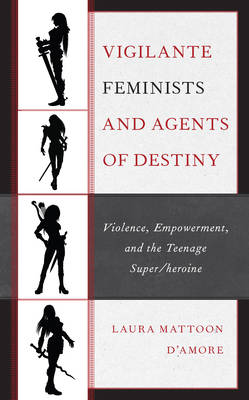
Vigilante Feminists and Agents of Destiny
Violence, Empowerment, and the Teenage Super/Heroine
Laura Mattoon D'Amore
€ 72,95
+ 145 punten
Uitvoering
Omschrijving
This interdisciplinary study examines the relationship between violence, empowerment, and the teenage super/heroine in comics and young adult fantasy novels. The author analyzes stories of teenage super/heroines who have experienced trauma, abduction, assault, and sexual violence that has led to a loss of agency, and then tracks the way that their use of violence empowers them to reclaim agency over their lives and bodies. The author identifies these characters as vigilante feminist teenage super/heroines because they become vigilantes in order to protect other girls and young women from violence and create safer communities. The teenage super/heroines examined in this book are characters who have the ability--through super power, or supernatural and magical ability--to fight back against those who seek to cause them harm. They are a product of and a response to both the pervasive culture of violence against girls and women and a system that fails to protect girls and women from harm. While this book is part of a robust intellectual conversation about the role of girls and women in popular literature and culture and about feminist analyses of comics and YA literature, it is unique in its reading of violence as empowerment and in its careful tracing--and naming--of the teenage vigilante super/heroine, a characterization that is hugely popular and deserves this close reading.
Specificaties
Betrokkenen
- Auteur(s):
- Uitgeverij:
Inhoud
- Aantal bladzijden:
- 176
- Taal:
- Engels
- Reeks:
Eigenschappen
- Productcode (EAN):
- 9781793630629
- Verschijningsdatum:
- 24/08/2022
- Uitvoering:
- Paperback
- Formaat:
- Trade paperback (VS)
- Afmetingen:
- 152 mm x 229 mm
- Gewicht:
- 267 g


Alleen bij Standaard Boekhandel
+ 145 punten op je klantenkaart van Standaard Boekhandel
Cadeau

AANGERADEN


Beoordelingen
We publiceren alleen reviews die voldoen aan de voorwaarden voor reviews. Bekijk onze voorwaarden voor reviews.