


- Afhalen na 1 uur in een winkel met voorraad
- Gratis thuislevering in België vanaf € 30
- Ruim aanbod met 7 miljoen producten
- Afhalen na 1 uur in een winkel met voorraad
- Gratis thuislevering in België vanaf € 30
- Ruim aanbod met 7 miljoen producten





€ 64,45
+ 128 punten
Omschrijving
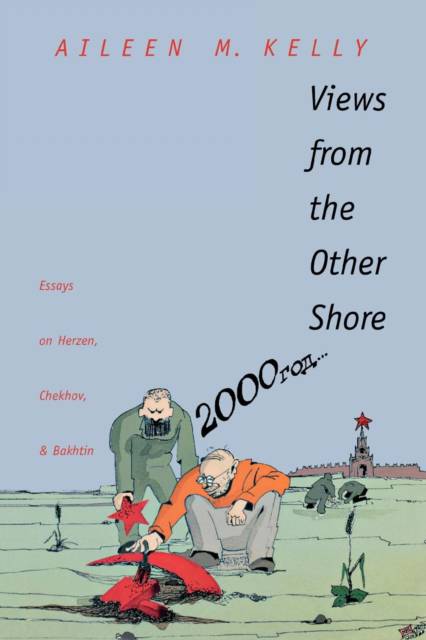
In this brilliant companion volume to her highly praised Toward Another Shore: Russian Thinkers Between Necessity and Chance, Aileen M. Kelly closely examines a humanist strand of Russian thought that has until now received little notice or understanding. She finds in the writings of Aleksandr Herzen, Anton Chekhov, and Mikhail Bakhtin a pioneering emphasis on the role of chance and contingency in nature and history. Their writing on this theme, she argues, establishes the importance of these humanists in the development of European thought. Herzen, the principal subject of the book, was among the first nineteenth-century thinkers to challenge the assumptions underlying doctrines of universal progress. Kelly links Herzen's outlook to the work of such Western humanists and scientists as Francis Bacon, Schiller, Proudhon, J. S. Mill, and Darwin. She shows how the view of freedom that Herzen shared with Chekhov and Bakhtin provides an antidote both to traditional absolutes and to the boundless relativism of much postmodern theory. As such it offers an answer to the question now besetting intellectuals in Russia and the West: how to ground morality after the collapse of ideological certainties.
Specificaties
Betrokkenen
- Auteur(s):
- Uitgeverij:
Inhoud
- Aantal bladzijden:
- 272
- Taal:
- Engels
- Reeks:
Eigenschappen
- Productcode (EAN):
- 9780300194623
- Verschijningsdatum:
- 19/10/2012
- Uitvoering:
- Paperback
- Formaat:
- Trade paperback (VS)
- Afmetingen:
- 152 mm x 229 mm
- Gewicht:
- 403 g


Alleen bij Standaard Boekhandel
+ 128 punten op je klantenkaart van Standaard Boekhandel
Cadeau

AANGERADEN


Beoordelingen
We publiceren alleen reviews die voldoen aan de voorwaarden voor reviews. Bekijk onze voorwaarden voor reviews.