


- Afhalen na 1 uur in een winkel met voorraad
- Gratis thuislevering in België vanaf € 30
- Ruim aanbod met 7 miljoen producten
- Afhalen na 1 uur in een winkel met voorraad
- Gratis thuislevering in België vanaf € 30
- Ruim aanbod met 7 miljoen producten





€ 99,45
+ 198 punten
Eenvoudig bestellen
Veilig betalen


Gratis thuislevering vanaf € 30 (via bpost)
Gratis levering in je Standaard Boekhandel
Omschrijving
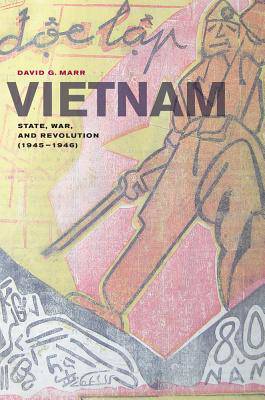
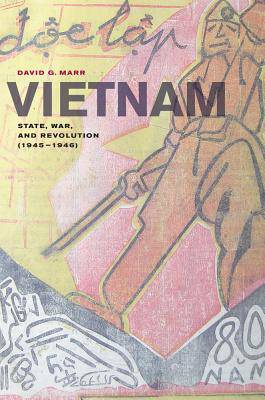
Amidst the revolutionary euphoria of August 1945, most Vietnamese believed that colonialism and war were being left behind in favor of independence and modernization. The late-September British-French coup de force in Saigon cast a pall over such assumptions. Ho Chi Minh tried to negotiate a mutually advantageous relationship with France, but meanwhile told his lieutenants to plan for a war in which the nascent state might have to survive without allies. In this landmark study, David Marr evokes the uncertainty and contingency as well as coherence and momentum of fast-paced events. Mining recently accessible sources in Aix-en-Provence and Hanoi, Marr explains what became the largest, most intense mobilization of human resources ever seen in Vietnam.
Specificaties
Betrokkenen
- Auteur(s):
- Uitgeverij:
Inhoud
- Aantal bladzijden:
- 748
- Taal:
- Engels
- Reeks:
- Reeksnummer:
- nr. 6
Eigenschappen
- Productcode (EAN):
- 9780520274150
- Verschijningsdatum:
- 15/04/2013
- Uitvoering:
- Hardcover
- Formaat:
- Genaaid
- Afmetingen:
- 152 mm x 231 mm
- Gewicht:
- 1111 g


Alleen bij Standaard Boekhandel
+ 198 punten op je klantenkaart van Standaard Boekhandel
CADEAU

AANGERADEN


Beoordelingen
We publiceren alleen reviews die voldoen aan de voorwaarden voor reviews. Bekijk onze voorwaarden voor reviews.