


- Afhalen na 1 uur in een winkel met voorraad
- Gratis thuislevering in België vanaf € 30
- Ruim aanbod met 7 miljoen producten
- Afhalen na 1 uur in een winkel met voorraad
- Gratis thuislevering in België vanaf € 30
- Ruim aanbod met 7 miljoen producten





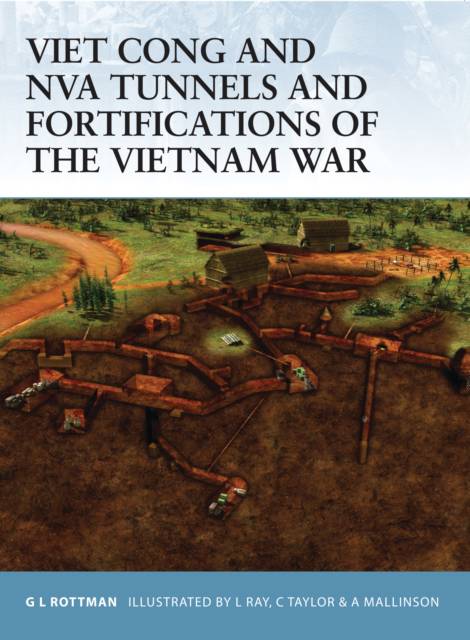
Viet Cong and NVA Tunnels and Fortifications of the Vietnam War
Gordon L Rottman
€ 22,45
+ 44 punten
Omschrijving
Field fortifications and tunnel systems are typically thought of as defensive and active protective measures, but the VC/NVA also employed them offensively. It was common for extensive field works to be constructed to support assaults and sieges on US fire-support bases and remote camps. Their tactics reflected attempts to counter the massive firepower they faced: when directly engaging the enemy they employed "hugging" tactics (moving in and remaining closely engaged, even intermingling units, to prevent the enemy from bringing his artillery and close air support to bear). Their field works included defended villages, base camps, fortified complexes, hilltop defenses, trench systems, individual fighting positions, crew-served weapon positions, bunkers, caches, and extensive tunnel systems. Camouflage and deceptive measures, and the employment of obstacles and booby traps went hand-in-hand with such field works. This book examines these unique fortifications.
Specificaties
Betrokkenen
- Auteur(s):
- Illustrator(s):
- Uitgeverij:
Inhoud
- Aantal bladzijden:
- 64
- Taal:
- Engels
- Reeks:
- Reeksnummer:
- nr. 48
Eigenschappen
- Productcode (EAN):
- 9781846030031
- Verschijningsdatum:
- 1/08/2006
- Uitvoering:
- Paperback
- Formaat:
- Trade paperback (VS)
- Afmetingen:
- 185 mm x 198 mm
- Gewicht:
- 213 g


Alleen bij Standaard Boekhandel
+ 44 punten op je klantenkaart van Standaard Boekhandel
Cadeau

AANGERADEN


Beoordelingen
We publiceren alleen reviews die voldoen aan de voorwaarden voor reviews. Bekijk onze voorwaarden voor reviews.