


- Afhalen na 1 uur in een winkel met voorraad
- Gratis thuislevering in België vanaf € 30
- Ruim aanbod met 7 miljoen producten
- Afhalen na 1 uur in een winkel met voorraad
- Gratis thuislevering in België vanaf € 30
- Ruim aanbod met 7 miljoen producten





€ 23,45
+ 46 punten
Omschrijving
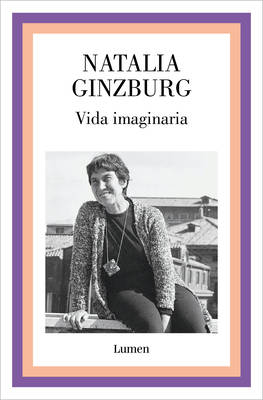
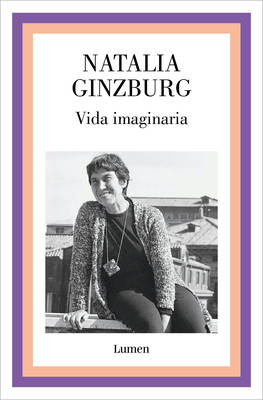
GINZBURG INÉDITA Un libro icónico de una «maestra en la elección de las palabras» (El País), admirada por Elena Ferrante, Italo Calvino y Rachel Cusk: una mezcla perfecta de ensayo y autobiografía. Todo lo que Natalia Ginzburg evoca y describe sucede en nosotros como por primera vez, pero perdura para siempre. En Vida imaginaria, quizá su obra menos conocida, pero al mismo tiempo la más versátil y combativa, publicada en 1974 e inédita en castellano, la autora aborda, entre otros asuntos, la condición de la mujer y el feminismo, la infancia y las incertidumbres de la edad adulta o la debilidad de nuestras democracias. También retrata a algunos escritores muy queridos por ella, como Italo Calvino, Elsa Morante o Cesare Pavese, y nos habla de películas y de directores (Fellini, Bergman) cuyo arte supo reconocer desde el principio. Con discreta contundencia y una voz única, Ginzburg participa, a través de cada uno de estos textos, en la vida de hoy, de un hoy que data de hace medio siglo, pero que el lector no dejará de trasladar al aquí y al ahora, y a los dilemas estéticos, morales y políticos a los que nos seguimos enfrentando. Este libro ha recibido una subvención a la traducción por parte del Centro per il Libro e la Lettura del Ministero della Cultura italiano. ENGLISH DESCRIPTION An iconic book by a "master at choosing words" (El País), admired by Elena Ferrante, Italo Calvino, and Rachel Cusk--a perfect blend of essay and autobiography. Everything Natalia Ginzburg evokes and describes feels as if it were happening to us for the first time, yet it endures forever. In Imaginary Life--perhaps her least-known work, but also her most versatile and combative, first published in 1974 and now available in English for the first time--the author explores, among other subjects, the condition of women and feminism, childhood and the uncertainties of adulthood, and the fragility of our democracies. She also portrays some of the writers she loved most, including Italo Calvino, Elsa Morante, and Cesare Pavese, and reflects on movies and filmmakers (Fellini, Bergman), whose art she recognized early on. With her discreet power and unmistakable voice, Ginzburg participates through each of these thirty essays in the life of today--a "today" that dates back half a century, yet resonates effortlessly with our present, confronting the same aesthetic, moral, and political dilemmas we still face.
Specificaties
Betrokkenen
- Auteur(s):
- Vertaler(s):
- Uitgeverij:
Inhoud
- Aantal bladzijden:
- 296
- Taal:
- Spaans
Eigenschappen
- Productcode (EAN):
- 9788426424372
- Verschijningsdatum:
- 27/04/2023
- Uitvoering:
- Paperback
- Formaat:
- Trade paperback (VS)
- Afmetingen:
- 1500 mm x 2300 mm
- Gewicht:
- 448 g


Alleen bij Standaard Boekhandel
+ 46 punten op je klantenkaart van Standaard Boekhandel
Cadeau

AANGERADEN


Beoordelingen
We publiceren alleen reviews die voldoen aan de voorwaarden voor reviews. Bekijk onze voorwaarden voor reviews.