

- Afhalen na 1 uur in een winkel met voorraad
- Gratis thuislevering in België vanaf € 30
- Ruim aanbod met 7 miljoen producten
- Afhalen na 1 uur in een winkel met voorraad
- Gratis thuislevering in België vanaf € 30
- Ruim aanbod met 7 miljoen producten





€ 0,49
Uitvoering
Eenvoudig bestellen
Veilig betalen


Onmiddellijk geleverd via e-mail
Omschrijving
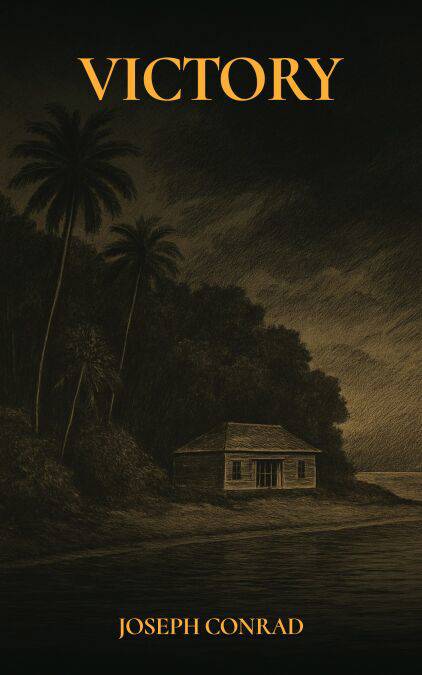
Victory is one of Joseph Conrad's most philosophically rich and emotionally intense novels, exploring isolation, idealism, and the perilous intersection between thought and action. Set largely on a remote tropical island, the novel examines the consequences of withdrawing from the world—and the inescapable pull of human connection.
The story centers on Axel Heyst, a wealthy, disillusioned intellectual who has retreated from society after a lifetime of moral skepticism. Seeking refuge from human conflict, Heyst lives in near solitude until he rescues Lena, a young woman trapped in exploitation and hardship. Their fragile bond draws Heyst back into the moral responsibilities he has long attempted to evade.
When a group of ruthless intruders arrives on the island, Heyst's passive philosophy is tested by violence and betrayal. Conrad transforms the isolated setting into a crucible of moral reckoning, where ideals prove powerless without decisive action. Lena's courage and sacrifice stand in stark contrast to Heyst's intellectual detachment.
Written in Conrad's evocative prose, Victory blends psychological drama with suspense, probing the limits of detachment and the cost of inaction. The novel confronts timeless questions about responsibility, love, and the dangers of standing apart from human struggle.
Dark, haunting, and deeply philosophical, Victory is a masterwork of modern literature—a gripping narrative that reveals how isolation can become its own form of defeat.
The story centers on Axel Heyst, a wealthy, disillusioned intellectual who has retreated from society after a lifetime of moral skepticism. Seeking refuge from human conflict, Heyst lives in near solitude until he rescues Lena, a young woman trapped in exploitation and hardship. Their fragile bond draws Heyst back into the moral responsibilities he has long attempted to evade.
When a group of ruthless intruders arrives on the island, Heyst's passive philosophy is tested by violence and betrayal. Conrad transforms the isolated setting into a crucible of moral reckoning, where ideals prove powerless without decisive action. Lena's courage and sacrifice stand in stark contrast to Heyst's intellectual detachment.
Written in Conrad's evocative prose, Victory blends psychological drama with suspense, probing the limits of detachment and the cost of inaction. The novel confronts timeless questions about responsibility, love, and the dangers of standing apart from human struggle.
Dark, haunting, and deeply philosophical, Victory is a masterwork of modern literature—a gripping narrative that reveals how isolation can become its own form of defeat.
Specificaties
Betrokkenen
- Auteur(s):
- Uitgeverij:
Inhoud
- Aantal bladzijden:
- 401
- Taal:
- Engels
Eigenschappen
- Productcode (EAN):
- 9789767221170
- Verschijningsdatum:
- 6/02/2026
- Uitvoering:
- E-book
- Beveiligd met:
- Digital watermarking
- Formaat:
- ePub


Alleen bij Standaard Boekhandel
CADEAU

AANGERADEN


Beoordelingen
We publiceren alleen reviews die voldoen aan de voorwaarden voor reviews. Bekijk onze voorwaarden voor reviews.