Standaard Boekhandel gebruikt cookies en gelijkaardige technologieën om de website goed te laten werken en je een betere surfervaring te bezorgen.
Hieronder kan je kiezen welke cookies je wilt inschakelen:
Technische en functionele cookies
Deze cookies zijn essentieel om de website goed te laten functioneren, en laten je toe om bijvoorbeeld in te loggen. Je kan deze cookies niet uitschakelen.
Analytische cookies
Deze cookies verzamelen anonieme informatie over het gebruik van onze website. Op die manier kunnen we de website beter afstemmen op de behoeften van de gebruikers.
Marketingcookies
Deze cookies delen je gedrag op onze website met externe partijen, zodat je op externe platformen relevantere advertenties van Standaard Boekhandel te zien krijgt.
Je cadeautjes zeker op tijd in huis hebben voor de feestdagen? Kom langs in onze winkels en vind het perfecte geschenk!
Afhalen na 1 uur in een winkel met voorraad
Gratis thuislevering in België vanaf € 30
Ruim aanbod met 7 miljoen producten
Je cadeautjes zeker op tijd in huis hebben voor de feestdagen? Kom langs in onze winkels en vind het perfecte geschenk!
Je kan maximaal 250 producten tegelijk aan je winkelmandje toevoegen. Verwijdere enkele producten uit je winkelmandje, of splits je bestelling op in meerdere bestellingen.
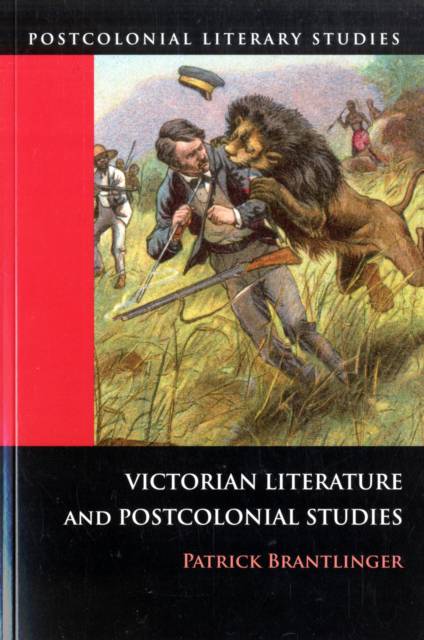
This book surveys the impact of the British Empire on nineteenth-century British literature from a postcolonial perspective. It explains both pro-imperialist themes and attitudes in works by major Victorian authors, and also points of resistance to and criticisms of the Empire such as abolitionism, as well as the first stirrings of nationalism in India and elsewhere.Using nineteenth-century literary works as illustrations, it analyzes several major debates, central to imperial and postcolonial studies, about imperial historiography and Marxism, gender and race, Orientalism, mimicry, and subalternity and representation. And it provides an in-depth examination of works by several major Victorian authors-Dickens, Charlotte Brontë, Disraeli, Tennyson, Yeats, Kipling, and Conrad among them - in the imperial context. Key Features: *Links literary texts to debates in postcolonial studies*Discusses works not included in standard literary histories*Provides in-depth discussions and comparisons of major authors: Disraeli and George Eliot; Dickens and Charlotte Brontë; Tennsyon and Yeats*Provides a guide to further reading and a timeline