


- Afhalen na 1 uur in een winkel met voorraad
- Gratis thuislevering in België vanaf € 30
- Ruim aanbod met 7 miljoen producten
- Afhalen na 1 uur in een winkel met voorraad
- Gratis thuislevering in België vanaf € 30
- Ruim aanbod met 7 miljoen producten





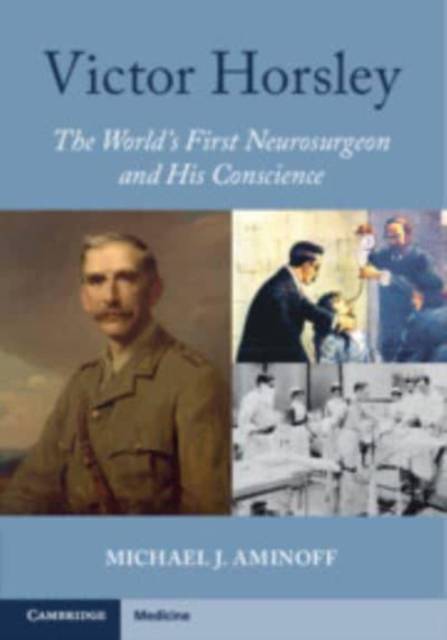
Victor Horsley
The World's First Neurosurgeon and His Conscience
Michael J Aminoff
Paperback | Engels
€ 74,95
+ 149 punten
Uitvoering
Omschrijving
Sir Victor Horsley (1857-1916) was a brilliant and pioneering neurosurgeon who also shaped the direction of clinical medicine through his work with the British Medical Association, Medical Defence Union, and General Medical Council. Before the nervous system could be imaged, Horsley operated successfully on the brain and spinal cord, and performed palliative procedures on patients dying from brain tumours. Nevertheless, he became a social pariah due to his support for nationalised health insurance, child welfare and women's rights, amongst other causes. In this fascinating biography, leading neurologist Dr Michael J. Aminoff places Horsley's life and work in the context of the society in which he lived and explores his influence on the development of neurosurgery and social policies still in effect. The many underlying themes to the book include the interplay of science and politics, and the responsibility of physicians to themselves and for the welfare of society.
Specificaties
Betrokkenen
- Auteur(s):
- Uitgeverij:
Inhoud
- Aantal bladzijden:
- 222
- Taal:
- Engels
Eigenschappen
- Productcode (EAN):
- 9781009069991
- Verschijningsdatum:
- 21/12/2023
- Uitvoering:
- Paperback
- Formaat:
- Trade paperback (VS)
- Afmetingen:
- 178 mm x 254 mm
- Gewicht:
- 394 g


Alleen bij Standaard Boekhandel
+ 149 punten op je klantenkaart van Standaard Boekhandel
Cadeau

AANGERADEN


Beoordelingen
We publiceren alleen reviews die voldoen aan de voorwaarden voor reviews. Bekijk onze voorwaarden voor reviews.