


- Afhalen na 1 uur in een winkel met voorraad
- Gratis thuislevering in België vanaf € 30
- Ruim aanbod met 7 miljoen producten
- Afhalen na 1 uur in een winkel met voorraad
- Gratis thuislevering in België vanaf € 30
- Ruim aanbod met 7 miljoen producten





€ 83,45
+ 166 punten
Omschrijving
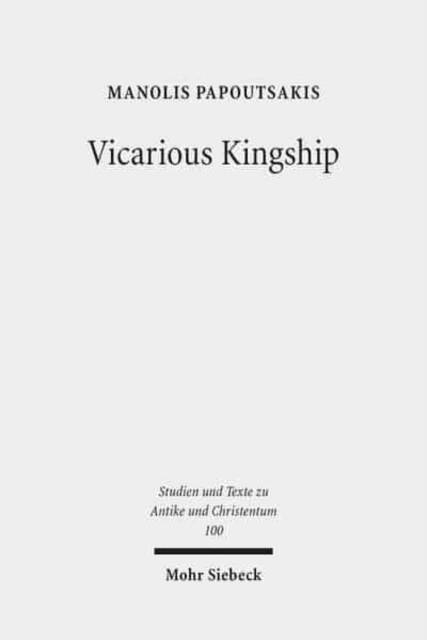
Manolis Papoutsakis explores the conception of "vicarious kingship," a theme in Syriac political theology in Late Antiquity. Although the idea that the ruler on earth serves as the vicegerent of God in heaven is not an invention of Syriac writers, it appears that, within the Christian tradition, Syriac poets and homilists between the fourth and sixth centuries -the period covered in this monograph- are the first to introduce "vicarious kingship" into a carefully thought-out and consistent eschatological pattern. These learned intellectuals elaborate on the imperial office by commenting on, and alluding to, biblical narratives and by manipulating traditional idiom. Their thinking can be reconstructed and their compositions fully appreciated only after their exposition of the Bible has been carefully studied and their lexicon precisely understood. Early Syriac writings may thus provide answers to long-standing problems in fields that go well beyond that of Syriac studies.
Specificaties
Betrokkenen
- Auteur(s):
- Uitgeverij:
Inhoud
- Aantal bladzijden:
- 227
- Taal:
- Engels
- Reeks:
Eigenschappen
- Productcode (EAN):
- 9783161539299
- Verschijningsdatum:
- 1/01/2017
- Uitvoering:
- Paperback
- Formaat:
- Trade paperback (VS)
- Afmetingen:
- 155 mm x 234 mm
- Gewicht:
- 358 g


Alleen bij Standaard Boekhandel
+ 166 punten op je klantenkaart van Standaard Boekhandel
Cadeau

AANGERADEN


Beoordelingen
We publiceren alleen reviews die voldoen aan de voorwaarden voor reviews. Bekijk onze voorwaarden voor reviews.