


- Afhalen na 1 uur in een winkel met voorraad
- Gratis thuislevering in België vanaf € 30
- Ruim aanbod met 7 miljoen producten
- Afhalen na 1 uur in een winkel met voorraad
- Gratis thuislevering in België vanaf € 30
- Ruim aanbod met 7 miljoen producten





€ 103,95
+ 207 punten
Eenvoudig bestellen
Veilig betalen


Gratis thuislevering vanaf € 30 (via bpost)
Gratis levering in je Standaard Boekhandel
Omschrijving
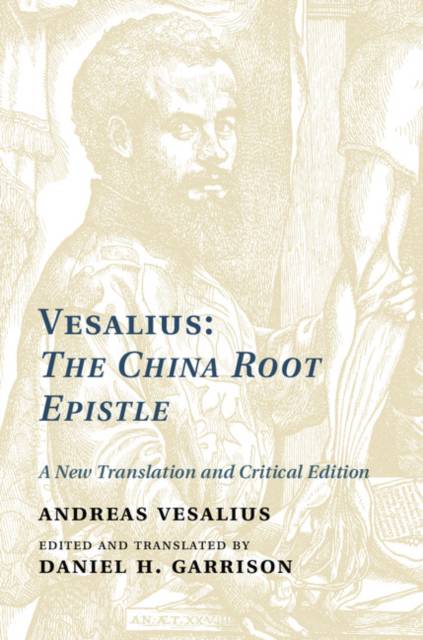
This book provides the first annotated English translation from the original Latin of Andreas Vesalius' China Root Epistle. Ostensibly his appraisal of a fashionable herbal remedy, the China Root Epistle concentrates on Vesalius' skeptical appraisal of traditional Galenic anatomy, which was based on animal rather than human dissections. Along with reflections about his life as a young anatomist, Vesalius argued that the new science of anatomy should devote itself less to rhetorical polemics and more to the craft of direct observation based on human dissection. This volume provides annotations to link the Epistle with Vesalius' earlier and more famous On the Fabric of the Human Body, and includes illustrations from the famous woodcuts first used in the 1543 edition of the Fabrica.
Specificaties
Betrokkenen
- Auteur(s):
- Vertaler(s):
- Uitgeverij:
Inhoud
- Aantal bladzijden:
- 290
- Taal:
- Engels
Eigenschappen
- Productcode (EAN):
- 9781107026353
- Verschijningsdatum:
- 12/01/2015
- Uitvoering:
- Hardcover
- Formaat:
- Genaaid
- Afmetingen:
- 150 mm x 229 mm
- Gewicht:
- 589 g


Alleen bij Standaard Boekhandel
+ 207 punten op je klantenkaart van Standaard Boekhandel
CADEAU

AANGERADEN


Beoordelingen
We publiceren alleen reviews die voldoen aan de voorwaarden voor reviews. Bekijk onze voorwaarden voor reviews.