


- Afhalen na 1 uur in een winkel met voorraad
- Gratis thuislevering in België vanaf € 30
- Ruim aanbod met 7 miljoen producten
- Afhalen na 1 uur in een winkel met voorraad
- Gratis thuislevering in België vanaf € 30
- Ruim aanbod met 7 miljoen producten





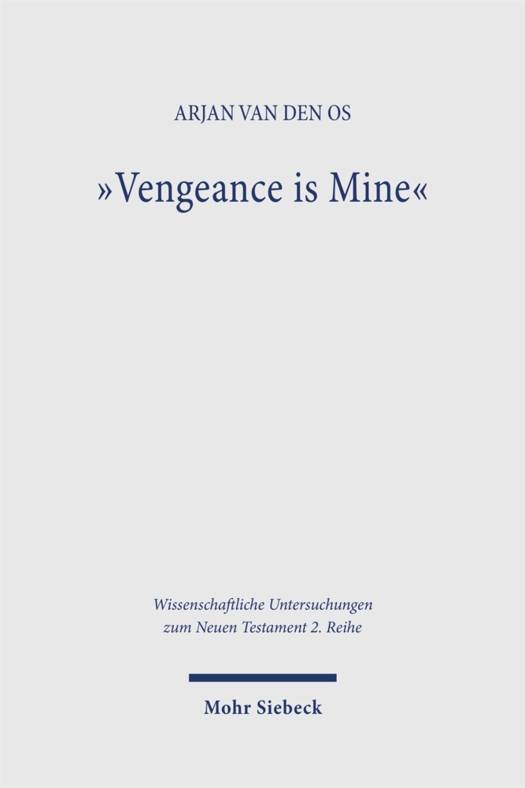
Vengeance Is Mine
The Meaning and Function of Divine Vengeance in the New Testament
Arjan Van Den Os
€ 115,95
+ 231 punten
Omschrijving
Modern readers of the Bible often find it difficult to reconcile divine vengeance with God's identification as love (1 John 4:8). What does divine vengeance mean, and how does it function in the New Testament? This is the central question Arjan van den Os addresses in this first extensive monograph on the topic, analysing relevant texts and offering a comprehensive theology of divine vengeance in all its variations and uses. He draws on Greco-Roman, Old Testament, and Early Jewish literature, where vengeance is typically an emotional response to the rejection of honour, purity, or a gift ( ) and is enacted within the . The Old Testament introduces divine prerogative and covenant, while Early Jewish texts often depict vengeance eschatologically. Based on this context, the author defines divine vengeance in the New Testament as the retributive, eschatological, legal, covenantal, and sometimes emotional reaction of God against those who inflict harm on him or his people, with the goal of restoring honour, purity, and justice. It serves to warn readers to persevere in faith and to comfort oppressed Christ-communities. Arjan van den Os also addresses the hermeneutical difficulties modern readers face and shows how contemporary conceptions of vengeance - often seen as illegitimate frontier justice - have been shaped by historical developments such as power centralisation, secularisation, and the rise of human rights.
Specificaties
Betrokkenen
- Auteur(s):
- Uitgeverij:
Inhoud
- Aantal bladzijden:
- 370
- Taal:
- Engels
- Reeks:
Eigenschappen
- Productcode (EAN):
- 9783162000781
- Verschijningsdatum:
- 30/01/2026
- Uitvoering:
- Paperback
- Formaat:
- Trade paperback (VS)
- Afmetingen:
- 155 mm x 231 mm
- Gewicht:
- 557 g


Alleen bij Standaard Boekhandel
+ 231 punten op je klantenkaart van Standaard Boekhandel
Cadeau

AANGERADEN


Beoordelingen
We publiceren alleen reviews die voldoen aan de voorwaarden voor reviews. Bekijk onze voorwaarden voor reviews.