


- Afhalen na 1 uur in een winkel met voorraad
- Gratis thuislevering in België vanaf € 30
- Ruim aanbod met 7 miljoen producten
- Afhalen na 1 uur in een winkel met voorraad
- Gratis thuislevering in België vanaf € 30
- Ruim aanbod met 7 miljoen producten





€ 13,95
+ 27 punten
Omschrijving
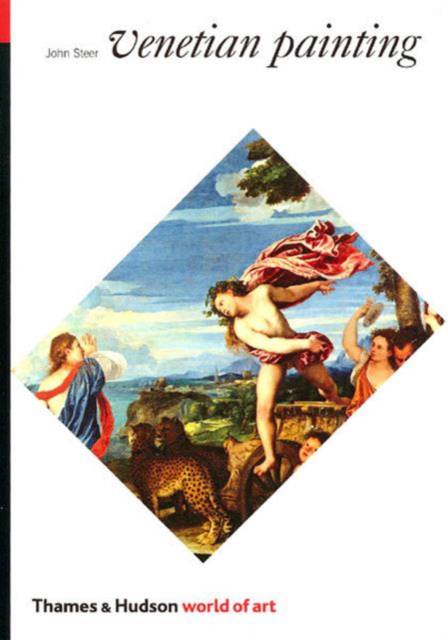
Venetian painting grew out of Byzantine art, and its opulence and sensuousness clearly differentiate it from the more intellectual art of Florence.
In this lively history of the Venetian school John Steer examines its special qualities and traces its development between the fourteenth and eighteenth centuries.
From the Bellinis onwards, Venetian artists in the fifteenth and sixteenth centuries used light, space and, above all, colour to dramatic effect, as demonstrated by the powerful paintings of Titian, Tintoretto and Veronese. This heroic tradition declined in the seventeenth century but reasserted itself in the eighteenth, a period in which the great masters were Canaletto, Tiepolo and Guardi.
In this lively history of the Venetian school John Steer examines its special qualities and traces its development between the fourteenth and eighteenth centuries.
From the Bellinis onwards, Venetian artists in the fifteenth and sixteenth centuries used light, space and, above all, colour to dramatic effect, as demonstrated by the powerful paintings of Titian, Tintoretto and Veronese. This heroic tradition declined in the seventeenth century but reasserted itself in the eighteenth, a period in which the great masters were Canaletto, Tiepolo and Guardi.
Specificaties
Betrokkenen
- Auteur(s):
- Uitgeverij:
Inhoud
- Aantal bladzijden:
- 216
- Taal:
- Engels
- Reeks:
Eigenschappen
- Productcode (EAN):
- 9780500201015
- Verschijningsdatum:
- 1/01/1990
- Afmetingen:
- 153 mm x 210 mm
- Gewicht:
- 500 g


Alleen bij Standaard Boekhandel
+ 27 punten op je klantenkaart van Standaard Boekhandel
Cadeau

AANGERADEN


Beoordelingen
We publiceren alleen reviews die voldoen aan de voorwaarden voor reviews. Bekijk onze voorwaarden voor reviews.