


- Afhalen na 1 uur in een winkel met voorraad
- Gratis thuislevering in België vanaf € 30
- Ruim aanbod met 7 miljoen producten
- Afhalen na 1 uur in een winkel met voorraad
- Gratis thuislevering in België vanaf € 30
- Ruim aanbod met 7 miljoen producten





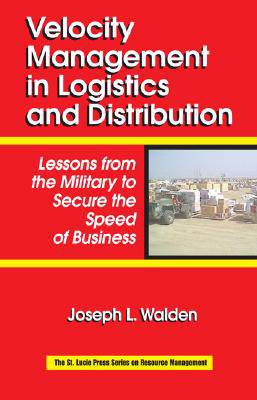
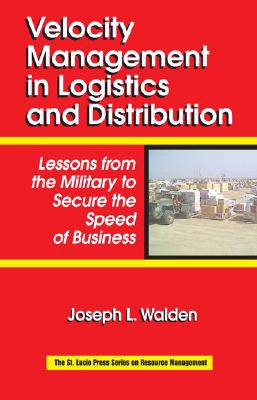
Velocity Management in Logistics and Distribution
Lessons from the Military to Secure the Speed of Business
Joseph L Walden
€ 290,45
+ 580 punten
Omschrijving
Velocity Management in Logistics and Distribution chronicles the important lessons learned from the Army's transition away from a Cold War logistics mentality. This mentality resulted from a "mass theory," which proposed that more days of supply kept in inventory led to a more responsive system. Modern business has proven that supply chains need to be more flexible and must respond quickly to changing needs (more "velocity"). This book explains the security aspects of supply chains, how to achieve velocity in the supply chain, and how to apply military theory, practices, and lessons learned to existing supply chains. The author concludes with a summary of key themes and their applications to modern supply chains.
Specificaties
Betrokkenen
- Auteur(s):
- Uitgeverij:
Inhoud
- Aantal bladzijden:
- 354
- Taal:
- Engels
- Reeks:
- Reeksnummer:
- nr. 33
Eigenschappen
- Productcode (EAN):
- 9780849328596
- Verschijningsdatum:
- 11/07/2005
- Uitvoering:
- Hardcover
- Formaat:
- Genaaid
- Afmetingen:
- 158 mm x 244 mm
- Gewicht:
- 680 g


Alleen bij Standaard Boekhandel
+ 580 punten op je klantenkaart van Standaard Boekhandel
Cadeau

AANGERADEN


Beoordelingen
We publiceren alleen reviews die voldoen aan de voorwaarden voor reviews. Bekijk onze voorwaarden voor reviews.