


- Afhalen na 1 uur in een winkel met voorraad
- Gratis thuislevering in België vanaf € 30
- Ruim aanbod met 7 miljoen producten
- Afhalen na 1 uur in een winkel met voorraad
- Gratis thuislevering in België vanaf € 30
- Ruim aanbod met 7 miljoen producten





€ 187,45
+ 374 punten
Omschrijving
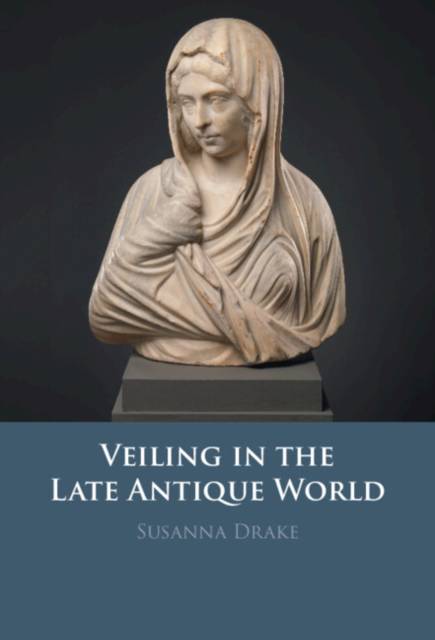
Veiling meant many things to the ancients. On women, veils could signify virtue, beauty, piety, self-control, and status. On men, covering the head could signify piety or an emotion such as grief. Late Roman mosaics show people covering their hands with veils when receiving or giving something precious. They covered their altars, doorways, shrines, and temples; and many covered their heads when sacrificing to their gods. Early Christian intellectuals such as Origen and Gregory of Nyssa used these everyday practices of veiling to interpret sacred texts. These writers understood the divine as veiled, and the notion of a veiled spiritual truth informed their interpretation of the bible. Veiling in the Late Antique World provides the first assessment of textual and material evidence for veiling in the late antique Mediterranean world. Susannah Drake here explores the relation between the social history of the veil and the intellectual history of the concept of truth as veiled/revealed.
Specificaties
Betrokkenen
- Auteur(s):
- Uitgeverij:
Inhoud
- Aantal bladzijden:
- 325
- Taal:
- Engels
Eigenschappen
- Productcode (EAN):
- 9781009673488
- Verschijningsdatum:
- 18/12/2025
- Uitvoering:
- Hardcover
- Formaat:
- Genaaid
- Afmetingen:
- 152 mm x 229 mm
- Gewicht:
- 566 g


Alleen bij Standaard Boekhandel
+ 374 punten op je klantenkaart van Standaard Boekhandel
Cadeau

AANGERADEN


Beoordelingen
We publiceren alleen reviews die voldoen aan de voorwaarden voor reviews. Bekijk onze voorwaarden voor reviews.