


- Afhalen na 1 uur in een winkel met voorraad
- Gratis thuislevering in België vanaf € 30
- Ruim aanbod met 7 miljoen producten
- Afhalen na 1 uur in een winkel met voorraad
- Gratis thuislevering in België vanaf € 30
- Ruim aanbod met 7 miljoen producten





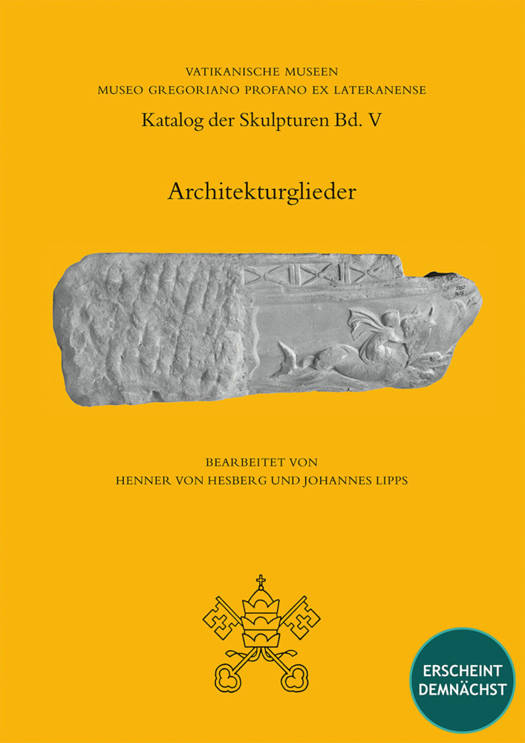
Vatikanische Museen. Museo Gregoriano Profano ex Lateranense
Bauornamentik und Architekturglieder
€ 188,95
+ 377 punten
Eenvoudig bestellen
Veilig betalen


Gratis thuislevering vanaf € 30 (via bpost)
Gratis levering in je Standaard Boekhandel
Omschrijving
The Museo Gregoriano Profano was established in 1844 to make the antiquities found during excavations in the first half of the 19th century accessible to visitors to Rome. Until 1963, it was housed in the Lateran Palace north of the Basilica of St. John and was presented to the public in 1970 in a newly constructed wing of the Vatican Museums. Since 1991, in collaboration between the Directorate of the Vatican Museums and the Research Archive for Ancient Sculpture at the University of Cologne, the holdings have been systematically catalogued in scientific illustrated catalogues, with priority initially given to figurative monuments, following the catalogue compiled by Otto Benndorf and Rudolf Schöne in 1867 focused on ancient sculptures - i.e. excluding architecture - and without any images.
Although this volume is keeping these traditions, it breaks new ground by comprehensively exploring one of the largest collections of Roman architectural elements in Rome, namely the holdings of the Museo Gregoriano Profano. This is done in three chapters, each of which contains specifically discussed results: 1) takes a detailed look at the Vatican's collecting activities and exhibition practices, particularly in the first half of the 19th century, a period in which ornamented architectural elements were first recognised and taken seriously as evidence with their own historical significance; 2) As part of the work, previously largely unknown architectural elements have been attributed to some of the most prominent monuments in Rome and Latium. These include the Forum of Augustus, the Theatre of Pompey and the Hadrianeum in Rome, as well as the imperial villas in Castel Gandolfo and Tivoli, but also the extensive papal excavations and Ostia, and previously unknown monuments such as a tomb on the Via Nettunense. The pieces occasionally allow for new reconstructions or supplement our knowledge of the history and reception of the monuments.
3) Documenting the entire inventory inevitably drew attention to previously marginalised types of architectural elements, such as wall consoles with some highly original solutions, altars and ceilings, which are presented and evaluated in detail for the first time in this volume. It also brought to light unusual architectural elements, such as figural capitals with Pegasus protomes and cornices with water distributors. All these disparate components provide a wealth of insights into the development of Roman architecture and enrich our understanding of it, while also offering insights into the activities of monument preservation in the Papal States.
Although this volume is keeping these traditions, it breaks new ground by comprehensively exploring one of the largest collections of Roman architectural elements in Rome, namely the holdings of the Museo Gregoriano Profano. This is done in three chapters, each of which contains specifically discussed results: 1) takes a detailed look at the Vatican's collecting activities and exhibition practices, particularly in the first half of the 19th century, a period in which ornamented architectural elements were first recognised and taken seriously as evidence with their own historical significance; 2) As part of the work, previously largely unknown architectural elements have been attributed to some of the most prominent monuments in Rome and Latium. These include the Forum of Augustus, the Theatre of Pompey and the Hadrianeum in Rome, as well as the imperial villas in Castel Gandolfo and Tivoli, but also the extensive papal excavations and Ostia, and previously unknown monuments such as a tomb on the Via Nettunense. The pieces occasionally allow for new reconstructions or supplement our knowledge of the history and reception of the monuments.
3) Documenting the entire inventory inevitably drew attention to previously marginalised types of architectural elements, such as wall consoles with some highly original solutions, altars and ceilings, which are presented and evaluated in detail for the first time in this volume. It also brought to light unusual architectural elements, such as figural capitals with Pegasus protomes and cornices with water distributors. All these disparate components provide a wealth of insights into the development of Roman architecture and enrich our understanding of it, while also offering insights into the activities of monument preservation in the Papal States.
Specificaties
Betrokkenen
- Uitgeverij:
Inhoud
- Taal:
- Duits
- Reeks:
Eigenschappen
- Productcode (EAN):
- 9783752006131
- Uitvoering:
- Hardcover
- Afmetingen:
- 225 mm x 315 mm
- Gewicht:
- 2165 g

Alleen bij Standaard Boekhandel
+ 377 punten op je klantenkaart van Standaard Boekhandel
CADEAU

AANGERADEN


Beoordelingen
We publiceren alleen reviews die voldoen aan de voorwaarden voor reviews. Bekijk onze voorwaarden voor reviews.