


- Afhalen na 1 uur in een winkel met voorraad
- Gratis thuislevering in België vanaf € 30
- Ruim aanbod met 7 miljoen producten
- Afhalen na 1 uur in een winkel met voorraad
- Gratis thuislevering in België vanaf € 30
- Ruim aanbod met 7 miljoen producten





€ 115,95
+ 231 punten
Omschrijving
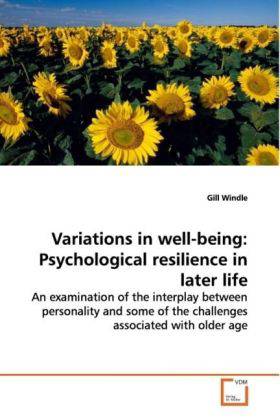
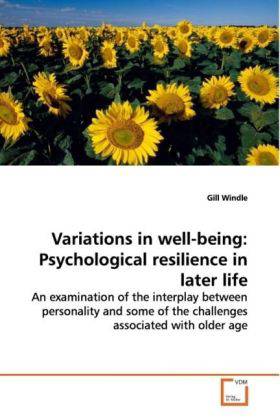
A common perception of older age is that of a life characterised by loss and decline. Changes in health status, social relationships, activities or income pose a significant threat to the subjective well-being of an older person. But contrary to this viewpoint, for many older people their sense of well-being is not affected, despite the influence of age associated adversities. Exploring this 'well-being paradox' is the focus of this book. It critically examines how psychological resources are an important source of resilience in older age. It analyses how well-being may be maintained through the effects of psychological resilience as an 'interpretive link', and how resilience may protect against challenges associated with ageing. In doing so, this book disputes many of the myths of older age.
Specificaties
Betrokkenen
- Auteur(s):
- Uitgeverij:
Inhoud
- Aantal bladzijden:
- 260
- Taal:
- Engels
Eigenschappen
- Productcode (EAN):
- 9783639173888
- Verschijningsdatum:
- 17/07/2009
- Uitvoering:
- Paperback
- Formaat:
- Trade paperback (VS)
- Afmetingen:
- 152 mm x 229 mm
- Gewicht:
- 385 g


Alleen bij Standaard Boekhandel
+ 231 punten op je klantenkaart van Standaard Boekhandel
Cadeau

AANGERADEN


Beoordelingen
We publiceren alleen reviews die voldoen aan de voorwaarden voor reviews. Bekijk onze voorwaarden voor reviews.