


- Afhalen na 1 uur in een winkel met voorraad
- Gratis thuislevering in België vanaf € 30
- Ruim aanbod met 7 miljoen producten
- Afhalen na 1 uur in een winkel met voorraad
- Gratis thuislevering in België vanaf € 30
- Ruim aanbod met 7 miljoen producten





Omschrijving
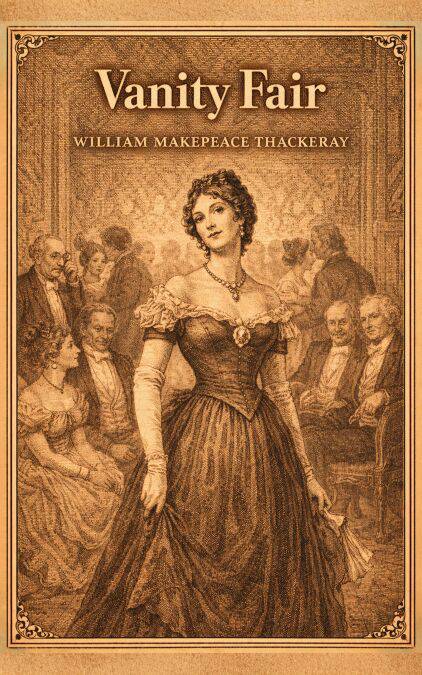
Vanity Fair by William Makepeace Thackeray is a sweeping satirical masterpiece that offers a brilliant and unflinching portrait of ambition, greed, love, and social climbing in nineteenth-century England. First published in 1847–1848, this classic novel subtitled A Novel Without a Hero presents a vivid panorama of society, exposing its hypocrisies and moral contradictions with wit, irony, and sharp social observation.
Set against the backdrop of the Napoleonic Wars and the rigid class structures of Victorian Britain, the story follows two contrasting women: the cunning and resourceful Becky Sharp and the gentle, kind-hearted Amelia Sedley. From their school days together to their entanglements in marriage, fortune, and scandal, their lives unfold in dramatically different ways. Through their journeys, Thackeray explores the complexities of character, revealing both virtue and vice in equal measure.
Becky Sharp, one of literature's most unforgettable anti-heroines, is intelligent, charming, and fiercely determined to rise above her modest origins. With sharp wit and calculated ambition, she navigates the drawing rooms of high society, manipulating situations to secure wealth and status. Amelia, by contrast, embodies loyalty and devotion, often to her own detriment. The contrast between these two women forms the emotional and moral center of the novel.
Thackeray's narrative voice is distinctive and playful, frequently addressing the reader directly and reminding us that society itself is a grand performance—a "vanity fair" where people chase wealth, prestige, and admiration. Through humor and biting satire, the novel critiques the shallow values of a world driven by appearances and self-interest.
Richly populated with memorable characters—from dashing officers and aristocrats to scheming relatives and social climbers—the novel paints a detailed portrait of a society obsessed with status and success. Yet beneath the satire lies a deeper meditation on human nature, moral compromise, and the illusions people create to sustain their ambitions.
Both entertaining and thought-provoking, Vanity Fair remains one of the great novels of English literature. Its enduring appeal lies in its lively storytelling, complex characters, and timeless insight into the pursuit of wealth and recognition. Thackeray's keen observations remind readers that while society may change, the human desire for admiration and advancement remains constant.
Set against the backdrop of the Napoleonic Wars and the rigid class structures of Victorian Britain, the story follows two contrasting women: the cunning and resourceful Becky Sharp and the gentle, kind-hearted Amelia Sedley. From their school days together to their entanglements in marriage, fortune, and scandal, their lives unfold in dramatically different ways. Through their journeys, Thackeray explores the complexities of character, revealing both virtue and vice in equal measure.
Becky Sharp, one of literature's most unforgettable anti-heroines, is intelligent, charming, and fiercely determined to rise above her modest origins. With sharp wit and calculated ambition, she navigates the drawing rooms of high society, manipulating situations to secure wealth and status. Amelia, by contrast, embodies loyalty and devotion, often to her own detriment. The contrast between these two women forms the emotional and moral center of the novel.
Thackeray's narrative voice is distinctive and playful, frequently addressing the reader directly and reminding us that society itself is a grand performance—a "vanity fair" where people chase wealth, prestige, and admiration. Through humor and biting satire, the novel critiques the shallow values of a world driven by appearances and self-interest.
Richly populated with memorable characters—from dashing officers and aristocrats to scheming relatives and social climbers—the novel paints a detailed portrait of a society obsessed with status and success. Yet beneath the satire lies a deeper meditation on human nature, moral compromise, and the illusions people create to sustain their ambitions.
Both entertaining and thought-provoking, Vanity Fair remains one of the great novels of English literature. Its enduring appeal lies in its lively storytelling, complex characters, and timeless insight into the pursuit of wealth and recognition. Thackeray's keen observations remind readers that while society may change, the human desire for admiration and advancement remains constant.
Specificaties
Betrokkenen
- Auteur(s):
- Uitgeverij:
Inhoud
- Aantal bladzijden:
- 1067
- Taal:
- Engels
Eigenschappen
- Productcode (EAN):
- 9785971946410
- Verschijningsdatum:
- 13/02/2026
- Uitvoering:
- E-book
- Beveiligd met:
- Digital watermarking
- Formaat:
- ePub


Alleen bij Standaard Boekhandel
Cadeau

AANGERADEN


Beoordelingen
We publiceren alleen reviews die voldoen aan de voorwaarden voor reviews. Bekijk onze voorwaarden voor reviews.