


- Afhalen na 1 uur in een winkel met voorraad
- Gratis thuislevering in België vanaf € 30
- Ruim aanbod met 7 miljoen producten
- Afhalen na 1 uur in een winkel met voorraad
- Gratis thuislevering in België vanaf € 30
- Ruim aanbod met 7 miljoen producten





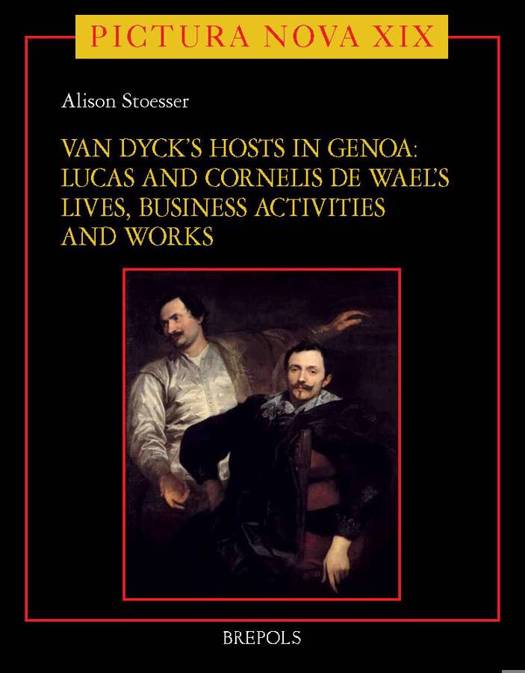
Van Dyck's Hosts in Genoa
Lucas and Cornelis de Wael's Lives, Business Activities and Works
Alison Stoesser
€ 280,90
+ 561 punten
Omschrijving
Long overshadowed by the brilliance of their close friend, Anthony van Dyck, Lucas and Cornelis de Wael, active as artists and dealers in Antwerp, Genoa and Rome, have largely been ignored in Flemish art historical literature. No monograph on them has appeared since 1925. This book aims to rectify this situation by giving a global overview of their wide-ranging pursuits. However, before assessing their personal histories it first examines the historical context, particularly with respect to the 17th-century art market in these three cities, with special attention given to its structure in Genoa, so far neglected in surveys of the Italian markets. A fresh appraisal of information from archival and other sources in each city has been undertaken to give a revealing up-to-date insight into their lives, trading activities in goods ranging from art works to second-hand clothing and hides, as well as their extensive network of friends and clients stretching from the Northern Netherlands to Sicily, including their close business association with the prominent Flemish art dealer Matthijs Musson and the Moretus family, owners of the Plantin-Moretus publishing house. Their own contribution to the art world is not neglected, with a full discussion of their works and an accompanying catalogue raisonne, which, in Cornelis de Wael's case, includes his extensive oeuvre of paintings, drawings and prints. In addition, the De Wael brothers' crucial function as hosts to Dutch and Flemish artists in both Genoa and Rome, with Van Dyck being the most famous, is also considered, while Cornelis de Wael's not inconsiderable role in making Rembrandt's prints known in both cities in his capacity as an art dealer is brought into focus. Despite the relative obscurity of his works till now, the sometimes unexpected influence of these on other artists from as far apart as the Northern Netherlands and Spain is also given careful attention.
Specificaties
Betrokkenen
- Auteur(s):
- Uitgeverij:
Inhoud
- Aantal bladzijden:
- 1028
- Taal:
- Engels
- Reeks:
- Reeksnummer:
- nr. 19
Eigenschappen
- Productcode (EAN):
- 9782503531755
- Verschijningsdatum:
- 17/06/2018
- Uitvoering:
- Hardcover
- Formaat:
- Genaaid
- Afmetingen:
- 201 mm x 257 mm
- Gewicht:
- 3356 g


Alleen bij Standaard Boekhandel
+ 561 punten op je klantenkaart van Standaard Boekhandel
Cadeau

AANGERADEN


Beoordelingen
We publiceren alleen reviews die voldoen aan de voorwaarden voor reviews. Bekijk onze voorwaarden voor reviews.