


- Afhalen na 1 uur in een winkel met voorraad
- Gratis thuislevering in België vanaf € 30
- Ruim aanbod met 7 miljoen producten
- Afhalen na 1 uur in een winkel met voorraad
- Gratis thuislevering in België vanaf € 30
- Ruim aanbod met 7 miljoen producten





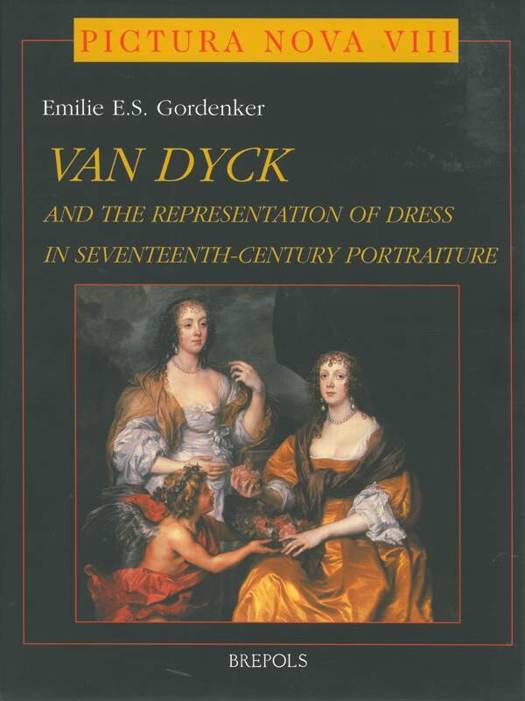
Van Dyck and the Representation of Dress in Seventeenth-Century Portraiture
E Gordenker
€ 58,30
+ 116 punten
Omschrijving
Anthony Van Dyck (1599-1641) introduced a new type of costume in his portraits during his second English period (1632-1641), one that blurred the margins of fact and fancy. He used costume to forge a complex and memorable image of his English patrons, the Caroline courtiers, one that captured their ideals and yet had resonance for many years after his death. Van Dyck established new conventions for the representation of dress in portraits that held sway until the end of the seventeenth century. Later generations of English, Dutch, and French painters, used Van Dyck's innovations as a touchstone for a new manner of dressing sitters, one that was partially fictional, and much more casual and unbuttoned than had ever been represented before. This book shows that an understanding of dress can offer a new way of revealing the associations and ideals that a portait mayhave projected, and that the history of costume provides a unique set of tools with which to analyze the creativity and contributions of Van Dyck.
Specificaties
Betrokkenen
- Auteur(s):
- Uitgeverij:
Inhoud
- Aantal bladzijden:
- 306
- Taal:
- Engels
- Reeks:
- Reeksnummer:
- nr. 8
Eigenschappen
- Productcode (EAN):
- 9782503508801
- Verschijningsdatum:
- 27/02/2002
- Uitvoering:
- Hardcover
- Formaat:
- Genaaid
- Afmetingen:
- 196 mm x 255 mm
- Gewicht:
- 1084 g


Alleen bij Standaard Boekhandel
+ 116 punten op je klantenkaart van Standaard Boekhandel
Cadeau

AANGERADEN


Beoordelingen
We publiceren alleen reviews die voldoen aan de voorwaarden voor reviews. Bekijk onze voorwaarden voor reviews.