



Je cadeautjes zeker op tijd in huis hebben voor de feestdagen? Kom langs in onze winkels en vind het perfecte geschenk!
- Afhalen na 1 uur in een winkel met voorraad
- Gratis thuislevering in België vanaf € 30
- Ruim aanbod met 7 miljoen producten
Je cadeautjes zeker op tijd in huis hebben voor de feestdagen? Kom langs in onze winkels en vind het perfecte geschenk!
- Afhalen na 1 uur in een winkel met voorraad
- Gratis thuislevering in België vanaf € 30
- Ruim aanbod met 7 miljoen producten





€ 19,00
+ 19 punten
Uitvoering
Omschrijving
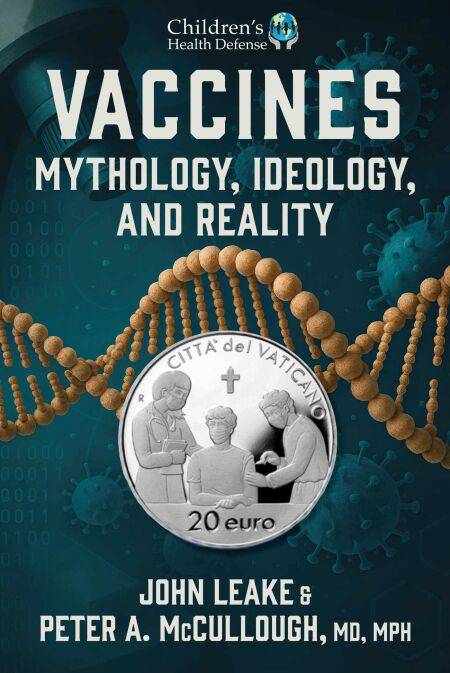
The word “vaccine” derives from the Latin word for cow. The English physician, Edward Jenner, coined it in his 1798 pamphlet An Inquiry into the Causes and Effects of the Variolae Vaccinae. The last two Latin words mean “Smallpox of the Cow,” or cowpox. Jenner postulated that cowpox causes mild disease in humans while protecting them from the more dangerous smallpox. His proposal for inoculation with a weak form of disease-causing matter to prevent serious illness became the central concept of infectious disease medicine and has remained so ever since. The word “vaccine” was subsequently applied to immunizations against all infectious diseases. Its etymology is amazingly apt, because vaccines are the ultimate sacred cow.
Vaccines: Mythology, Ideology, and Reality tells the story of this technology and the celebrated men who developed it with some success, but also with failures that are never mentioned in the celebratory literature on vaccines. Vaccine advocates often proclaim that they “follow the science,” but most vaccine development has been a matter of guesses, gambles, and wild experimentation. Its key figures have been biased by religious faith, wishful thinking, ideology, and a desire for recognition and money.
Though credit is due to some vaccines for reducing infectious disease morbidity and mortality, their contribution to public health in developed nations has been grossly exaggerated by propagandists. Dramatic improvements in nutrition and sanitation were the primary drivers of this trend. The authors do not dismiss the concept of vaccination but seek to promote a more informed and less dogmatic discussion about its risks and benefits. Critical evaluation can only make the technology safer and more effective.
Vaccines: Mythology, Ideology, and Reality tells the story of this technology and the celebrated men who developed it with some success, but also with failures that are never mentioned in the celebratory literature on vaccines. Vaccine advocates often proclaim that they “follow the science,” but most vaccine development has been a matter of guesses, gambles, and wild experimentation. Its key figures have been biased by religious faith, wishful thinking, ideology, and a desire for recognition and money.
Though credit is due to some vaccines for reducing infectious disease morbidity and mortality, their contribution to public health in developed nations has been grossly exaggerated by propagandists. Dramatic improvements in nutrition and sanitation were the primary drivers of this trend. The authors do not dismiss the concept of vaccination but seek to promote a more informed and less dogmatic discussion about its risks and benefits. Critical evaluation can only make the technology safer and more effective.
Specificaties
Betrokkenen
- Auteur(s):
- Uitgeverij:
Inhoud
- Aantal bladzijden:
- 240
- Taal:
- Engels
Eigenschappen
- Productcode (EAN):
- 9781648211904
- Verschijningsdatum:
- 28/07/2025
- Uitvoering:
- E-book
- Beveiligd met:
- Adobe DRM
- Formaat:
- ePub


Alleen bij Standaard Boekhandel
+ 19 punten op je klantenkaart van Standaard Boekhandel
CADEAU


Beoordelingen
We publiceren alleen reviews die voldoen aan de voorwaarden voor reviews. Bekijk onze voorwaarden voor reviews.