


- Afhalen na 1 uur in een winkel met voorraad
- Gratis thuislevering in België vanaf € 30
- Ruim aanbod met 7 miljoen producten
- Afhalen na 1 uur in een winkel met voorraad
- Gratis thuislevering in België vanaf € 30
- Ruim aanbod met 7 miljoen producten





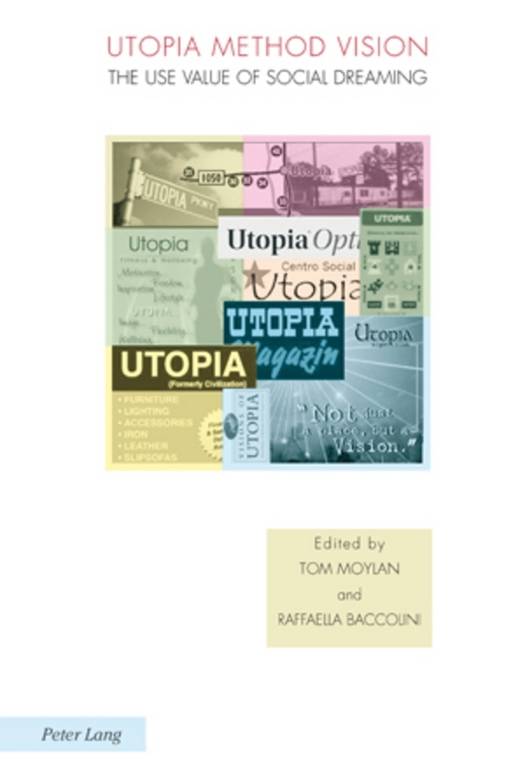
Utopia Method Vision
The Use Value of Social Dreaming
€ 107,95
+ 215 punten
Omschrijving
Informed by feminist, Marxist, ethnographic, and post-structuralist frameworks, Utopia Method Vision makes a unique contribution to international debates in cultural, literary, sociological, and political studies of utopian theory, texts, and practices.
The collection addresses the ways in which the contributors approach their study of the objects and practices of utopianism (understood as social anticipations and visions produced through texts and social experiments) and of how, in turn, those objects and practices have shaped their intellectual work in general and their research perspectives in particular. In so doing, the contributors develop a larger, self-critical look at the limits and potential of the entire paradigm by which utopianism is known, studied, critiqued, created, and received.
The collection addresses the ways in which the contributors approach their study of the objects and practices of utopianism (understood as social anticipations and visions produced through texts and social experiments) and of how, in turn, those objects and practices have shaped their intellectual work in general and their research perspectives in particular. In so doing, the contributors develop a larger, self-critical look at the limits and potential of the entire paradigm by which utopianism is known, studied, critiqued, created, and received.
Specificaties
Betrokkenen
- Uitgeverij:
Inhoud
- Aantal bladzijden:
- 348
- Taal:
- Engels
- Reeks:
- Reeksnummer:
- nr. 1
Eigenschappen
- Productcode (EAN):
- 9783039109128
- Verschijningsdatum:
- 16/07/2007
- Uitvoering:
- Paperback
- Formaat:
- Trade paperback (VS)
- Afmetingen:
- 150 mm x 221 mm
- Gewicht:
- 498 g

Alleen bij Standaard Boekhandel
+ 215 punten op je klantenkaart van Standaard Boekhandel
AANGERADEN


Beoordelingen
We publiceren alleen reviews die voldoen aan de voorwaarden voor reviews. Bekijk onze voorwaarden voor reviews.