


- Afhalen na 1 uur in een winkel met voorraad
- Gratis thuislevering in België vanaf € 30
- Ruim aanbod met 7 miljoen producten
- Afhalen na 1 uur in een winkel met voorraad
- Gratis thuislevering in België vanaf € 30
- Ruim aanbod met 7 miljoen producten




€ 4,99
+ 4 punten
Eenvoudig bestellen
Veilig betalen


Onmiddellijk geleverd via e-mail
Omschrijving
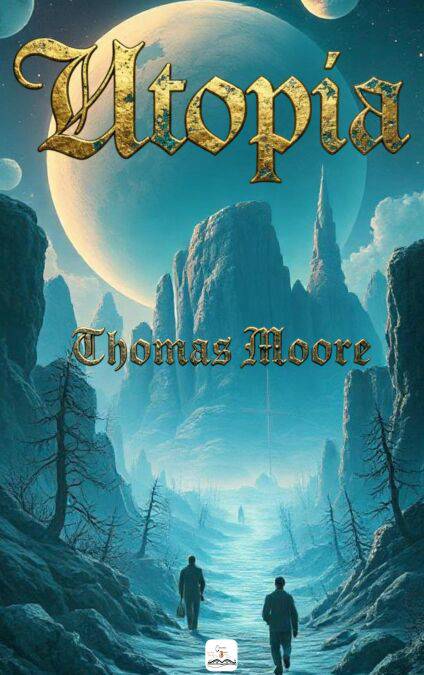
More's "Utopia" was written in Latin, and is in two parts, of which the second, describing the place ([Greek text]—or Nusquama, as he called it sometimes in his letters—"Nowhere"), was probably written towards the close of 1515; the first part, introductory, early in 1516.
The book was first printed at Louvain, late in 1516, under the editorship of Erasmus, Peter Giles, and other of More's friends in Flanders. It was then revised by More, and printed by Frobenius at Basle in November, 1518.
It was reprinted at Paris and Vienna, but was not printed in England during More's lifetime. Its first publication in this country was in the English translation, made in Edward's VI.'s reign (1551) by Ralph Robinson.
It was translated with more literary skill by Gilbert Burnet, in 1684, soon after he had conducted the defence of his friend Lord William Russell, attended his execution, vindicated his memory, and been spitefully deprived by James II. of his lectureship at St. Clement's. Burnet was drawn to the translation of "Utopia" by the same sense of unreason in high places that caused More to write the book. Burnet's is the translation given in this volume.
The book was first printed at Louvain, late in 1516, under the editorship of Erasmus, Peter Giles, and other of More's friends in Flanders. It was then revised by More, and printed by Frobenius at Basle in November, 1518.
It was reprinted at Paris and Vienna, but was not printed in England during More's lifetime. Its first publication in this country was in the English translation, made in Edward's VI.'s reign (1551) by Ralph Robinson.
It was translated with more literary skill by Gilbert Burnet, in 1684, soon after he had conducted the defence of his friend Lord William Russell, attended his execution, vindicated his memory, and been spitefully deprived by James II. of his lectureship at St. Clement's. Burnet was drawn to the translation of "Utopia" by the same sense of unreason in high places that caused More to write the book. Burnet's is the translation given in this volume.
Specificaties
Betrokkenen
- Auteur(s):
- Uitgeverij:
Inhoud
- Aantal bladzijden:
- 153
- Taal:
- Engels
Eigenschappen
- Productcode (EAN):
- 9786253879006
- Verschijningsdatum:
- 2/06/2026
- Uitvoering:
- E-book
- Beveiligd met:
- Digital watermarking
- Formaat:
- ePub


Alleen bij Standaard Boekhandel
+ 4 punten op je klantenkaart van Standaard Boekhandel
CADEAU

AANGERADEN


Beoordelingen
We publiceren alleen reviews die voldoen aan de voorwaarden voor reviews. Bekijk onze voorwaarden voor reviews.