


- Afhalen na 1 uur in een winkel met voorraad
- Gratis thuislevering in België vanaf € 30
- Ruim aanbod met 7 miljoen producten
- Afhalen na 1 uur in een winkel met voorraad
- Gratis thuislevering in België vanaf € 30
- Ruim aanbod met 7 miljoen producten





€ 25,95
+ 51 punten
Uitvoering
Omschrijving
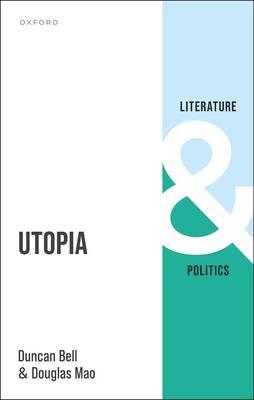
Ideal societies, better worlds, more just and peaceful ways of living: these have long been the stuff of social dreaming. In this compact volume, two leading scholars from different disciplines join to consider the life of utopian imagining within the frame of literature and politics.
Duncan Bell, a political scientist and intellectual historian, opens the book with a critical overview of the Anglophone utopian tradition and a fresh definition of utopia. He then shows how the threat of technological annihilation, and the promise of transcendence of human limitations, has shaped utopian and dystopian writing of the last hundred years. Douglas Mao, a scholar of literature, begins the second part of the book by delving into utopian literature's vexed relation to sentimental feeling, especially as this is signalled by speculation on how inhabitants of utopia themselves would read literary works. He then shows how utopian writing's orientation to problem-solving puts it into surprising relation with both politics and literature in general. An interview in which the two authors compare their methods and conclusions closes out the book.
Duncan Bell, a political scientist and intellectual historian, opens the book with a critical overview of the Anglophone utopian tradition and a fresh definition of utopia. He then shows how the threat of technological annihilation, and the promise of transcendence of human limitations, has shaped utopian and dystopian writing of the last hundred years. Douglas Mao, a scholar of literature, begins the second part of the book by delving into utopian literature's vexed relation to sentimental feeling, especially as this is signalled by speculation on how inhabitants of utopia themselves would read literary works. He then shows how utopian writing's orientation to problem-solving puts it into surprising relation with both politics and literature in general. An interview in which the two authors compare their methods and conclusions closes out the book.
Specificaties
Betrokkenen
- Auteur(s):
- Uitgeverij:
Inhoud
- Aantal bladzijden:
- 144
- Taal:
- Engels
- Reeks:
Eigenschappen
- Productcode (EAN):
- 9780198922872
- Verschijningsdatum:
- 3/08/2026
- Uitvoering:
- Paperback
- Formaat:
- Trade paperback (VS)
- Afmetingen:
- 138 mm x 217 mm
- Gewicht:
- 176 g


Alleen bij Standaard Boekhandel
+ 51 punten op je klantenkaart van Standaard Boekhandel
Cadeau

AANGERADEN


Beoordelingen
We publiceren alleen reviews die voldoen aan de voorwaarden voor reviews. Bekijk onze voorwaarden voor reviews.