


- Afhalen na 1 uur in een winkel met voorraad
- Gratis thuislevering in België vanaf € 30
- Ruim aanbod met 7 miljoen producten
- Afhalen na 1 uur in een winkel met voorraad
- Gratis thuislevering in België vanaf € 30
- Ruim aanbod met 7 miljoen producten





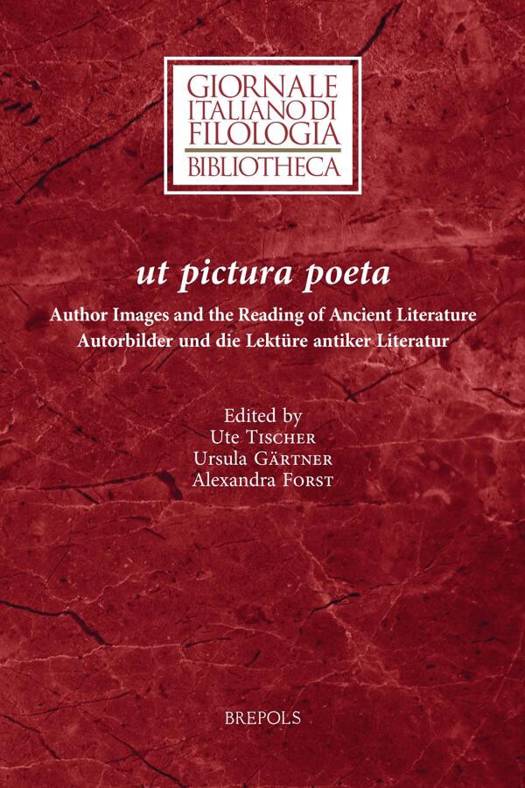
ut pictura poeta
Ute Tischer
€ 79,50
+ 159 punten
Omschrijving
The leitmotif of this volume is the concept of 'author images', which is used in modern literary studies to describe processes of production and reading of literary works and is here applied for the first time to the study of ancient works. As a means of analysing ancient literature, it captures the aspect of personification, which is characteristic of ancient author concepts, and at the same time points to the fact that there is a difference between 'image' and 'author' and that it is only an image and not the author himself that can be seen and grasped by readers. This makes the 'author image' particularly suitable for examining the intersections of material, rhetorical and mental representations of literary authorship that form the subject of this volume. Using selected examples from Latin and Greek literature, the contributors explore the fields of cultural experience that nourish authorial images. They discuss the manifold possibilities of visualising and representing a person's quality of being an author in general or being an author of specific works, be it physically through artworks or pictures, metaphorically through evoked authorial figures, through thematised representations of authors in a text, or through the combination of authorial images and texts. These issues are addressed in four overlapping sections, each focusing on different areas of the metaphor's application, namely material images in the form of artworks, knowledge about persons, textual images as authorial strategies and images in reception.
Specificaties
Betrokkenen
- Auteur(s):
- Uitgeverij:
Inhoud
- Aantal bladzijden:
- 378
- Taal:
- Frans
- Reeks:
- Reeksnummer:
- nr. 29
Eigenschappen
- Productcode (EAN):
- 9782503598666
- Verschijningsdatum:
- 9/08/2022
- Uitvoering:
- Paperback
- Formaat:
- Trade paperback (VS)
- Afmetingen:
- 154 mm x 234 mm
- Gewicht:
- 612 g


Alleen bij Standaard Boekhandel
+ 159 punten op je klantenkaart van Standaard Boekhandel
CADEAU

AANGERADEN


Beoordelingen
We publiceren alleen reviews die voldoen aan de voorwaarden voor reviews. Bekijk onze voorwaarden voor reviews.