


- Afhalen na 1 uur in een winkel met voorraad
- Gratis thuislevering in België vanaf € 30
- Ruim aanbod met 7 miljoen producten
- Afhalen na 1 uur in een winkel met voorraad
- Gratis thuislevering in België vanaf € 30
- Ruim aanbod met 7 miljoen producten





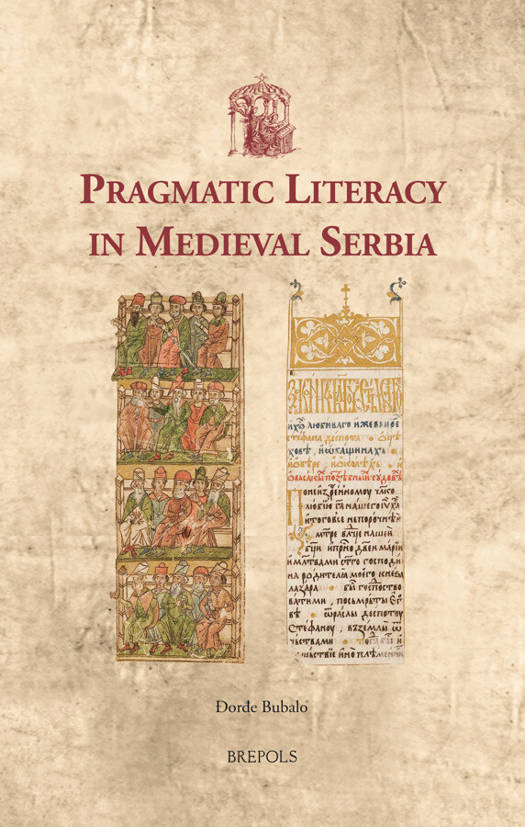
USML 29 Pragmatic Literacy in Medieval Serbia, Bubalo
Djordje Bubalo
€ 127,20
+ 254 punten
Omschrijving
Examining the significance and uses of written documents in medieval Serbian society, for the very first time the manifestations of everyday literacy are revealed in the area where the East and the West intersect in southeastern Europe. The interweaving of Latin and Byzantine influences shaped the culture of literacy in medieval Serbia. Unprecedented in the field, this study aims to show that, even if only about 1000 Serbian medieval documents are preserved, this does not mean that little had been written. An exploration of the use of written documents in commercial, legal, and private relations in late medieval Serbia constitutes the basic scope of the research. It focuses on the documents fate and on their social roles from the moment they were issued or submitted to their beneficiaries. The making of charters-by rulers, the Church, the aristocracy, towns, and public notaries-is analysed, as are the main fields of the use of the written word-evidentiary procedure, diplomacy, and correspondence. The citation of individual examples of pragmatic literacy allows us to give an approximate idea of how widespread the belief in the power of the written word really was. Even though the ways in which documentary literacy manifested itself in late medieval Serbia display certain idiosyncrasies, the growth in the use and reputation of written documents suggests that the Serbian case was not all that unlike the written customs and practices elsewhere in medieval Europe.
Specificaties
Betrokkenen
- Auteur(s):
- Uitgeverij:
Inhoud
- Aantal bladzijden:
- 454
- Taal:
- Engels
- Reeks:
- Reeksnummer:
- nr. 29
Eigenschappen
- Productcode (EAN):
- 9782503549613
- Verschijningsdatum:
- 21/02/2014
- Uitvoering:
- Hardcover
- Formaat:
- Genaaid
- Afmetingen:
- 160 mm x 239 mm
- Gewicht:
- 884 g


Alleen bij Standaard Boekhandel
+ 254 punten op je klantenkaart van Standaard Boekhandel
Cadeau

AANGERADEN


Beoordelingen
We publiceren alleen reviews die voldoen aan de voorwaarden voor reviews. Bekijk onze voorwaarden voor reviews.