


- Afhalen na 1 uur in een winkel met voorraad
- Gratis thuislevering in België vanaf € 30
- Ruim aanbod met 7 miljoen producten
- Afhalen na 1 uur in een winkel met voorraad
- Gratis thuislevering in België vanaf € 30
- Ruim aanbod met 7 miljoen producten





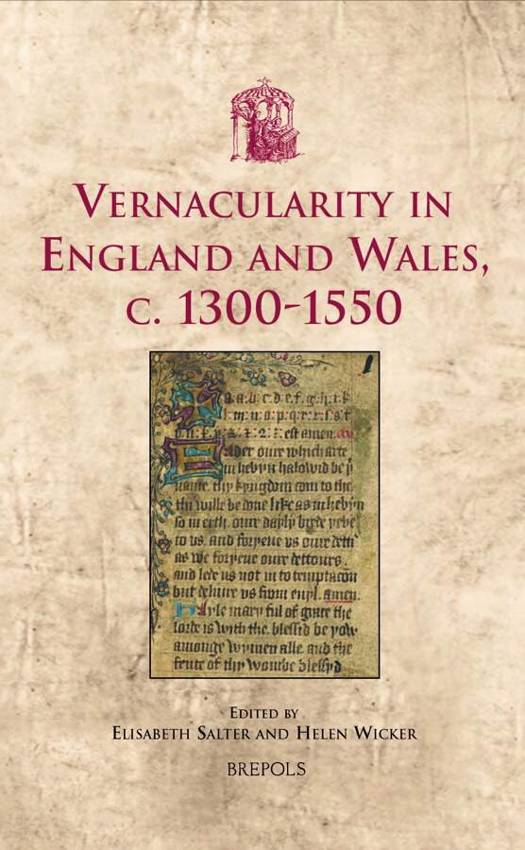
USML 17 Vernacularity in England and Wales, c. 1300-1550 Salter
Elizabeth Salter
€ 74,20
+ 148 punten
Omschrijving
Studies of the vernacular in the period 1300-1550 have tended to focus exclusively upon language, to the exception of the wider vernacular culture within which this was located. In a period when the status of English and ideas of Englishness were transforming in response to a variety of social, political, cultural and economic factors, the changing nature and perception of the vernacular deserves to be explored comprehensively and in detail. Vernacularity in England and Wales examines the vernacular in and across literature, art, and architecture to reach a more inclusive understanding of the nature of late medieval vernacularity. The essays in this collection draw upon a wide range of source material, including buildings, devotional and educational literature, and parliamentary and civic records, in order to expand and elaborate our idea of the vernacular. Each contributor addresses central ideas about the nature and identity of the vernacular and how we appraise it, involving questions about nationhood, popularity, the commonalty, and the conflict and conjunction of the vernacular with the non-vernacular. These notions of vernacularity are situated within studies of reading practices, heresy, translation, gentry identity, seditious speech, and language politics. By considering the nature of vernacularity, these essays explore whether it is possible to perceive a common theory of vernacular use and practice at this time.
Specificaties
Betrokkenen
- Auteur(s):
- Uitgeverij:
Inhoud
- Aantal bladzijden:
- 335
- Taal:
- Engels
- Reeks:
- Reeksnummer:
- nr. 17
Eigenschappen
- Productcode (EAN):
- 9782503528830
- Verschijningsdatum:
- 1/07/2011
- Uitvoering:
- Hardcover
- Formaat:
- Genaaid
- Afmetingen:
- 163 mm x 241 mm
- Gewicht:
- 748 g


Alleen bij Standaard Boekhandel
+ 148 punten op je klantenkaart van Standaard Boekhandel
Cadeau

AANGERADEN


Beoordelingen
We publiceren alleen reviews die voldoen aan de voorwaarden voor reviews. Bekijk onze voorwaarden voor reviews.