


- Afhalen na 1 uur in een winkel met voorraad
- Gratis thuislevering in België vanaf € 30
- Ruim aanbod met 7 miljoen producten
- Afhalen na 1 uur in een winkel met voorraad
- Gratis thuislevering in België vanaf € 30
- Ruim aanbod met 7 miljoen producten





€ 39,95
+ 79 punten
Uitvoering
Omschrijving
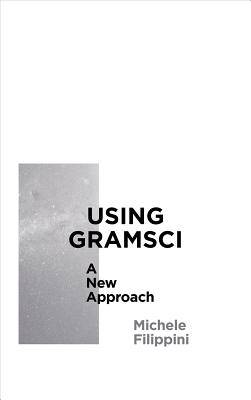
The notebooks kept by Antonio Gramsci while he was in prison in fascist Italy in the 1920s have been an inspiration to Marxist political thinkers and activists around the world for decades. With Using Gramsci, Michele Filippini teases out a number of previously ignored aspects of Gramsci's works to create a book that stands apart from previous analyses. While Filippini does examine the aspects of Gramsci's thought that have long attracted scholars--including his thinking on hegemony, organic intellectuals, and civil society--she foregrounds new concepts, including the individual, crisis, and space and time. The result is a rethinking of Gramsci for our era that offers a number of promising new ways forward.
Specificaties
Betrokkenen
- Auteur(s):
- Uitgeverij:
Inhoud
- Aantal bladzijden:
- 248
- Taal:
- Engels
- Reeks:
Eigenschappen
- Productcode (EAN):
- 9780745335681
- Verschijningsdatum:
- 15/12/2016
- Uitvoering:
- Paperback
- Formaat:
- Trade paperback (VS)
- Afmetingen:
- 135 mm x 216 mm
- Gewicht:
- 226 g


Alleen bij Standaard Boekhandel
+ 79 punten op je klantenkaart van Standaard Boekhandel
Cadeau

AANGERADEN


Beoordelingen
We publiceren alleen reviews die voldoen aan de voorwaarden voor reviews. Bekijk onze voorwaarden voor reviews.