


- Afhalen na 1 uur in een winkel met voorraad
- Gratis thuislevering in België vanaf € 30
- Ruim aanbod met 7 miljoen producten
- Afhalen na 1 uur in een winkel met voorraad
- Gratis thuislevering in België vanaf € 30
- Ruim aanbod met 7 miljoen producten





Omschrijving
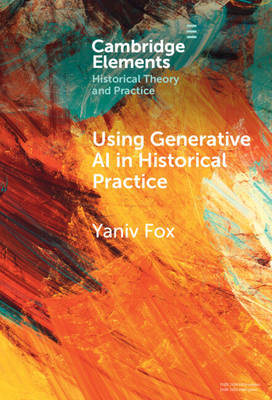
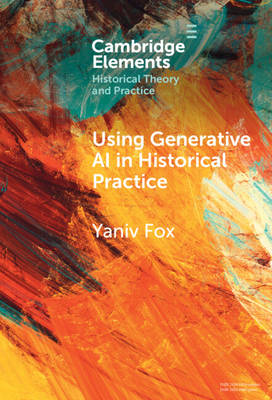
'Using Generative AI in Historical Practice' argues that generative models are reshaping historical scholarship. Rejecting medium - and long -term speculation, it focuses on near-term practice: how historians can use AI now to augment their research through context-aware dialogue, semantic search, network visualization, multimodal source analysis, and code-assisted workflows. It details methods for context management, task design, and response structure, while warning against cognitive offloading and model bias. While it offers a variety of novel methodologies, the book insists on the indispensability of human agency and taste. Case studies range from Augustine of Hippo to early cinematography, demonstrating the possibilities and limits of generative AI. It concludes with a call to historians to engage with the technology critically and productively, reimagining AI-assisted scholarship without surrendering disciplinary standards and aims.
Specificaties
Betrokkenen
- Auteur(s):
- Uitgeverij:
Inhoud
- Aantal bladzijden:
- 86
- Taal:
- Engels
- Reeks:
Eigenschappen
- Productcode (EAN):
- 9781009740036
- Verschijningsdatum:
- 28/05/2026
- Uitvoering:
- Hardcover
- Formaat:
- Genaaid
- Afmetingen:
- 152 mm x 229 mm
- Gewicht:
- 285 g


Alleen bij Standaard Boekhandel
+ 248 punten op je klantenkaart van Standaard Boekhandel
Cadeau

AANGERADEN


Beoordelingen
We publiceren alleen reviews die voldoen aan de voorwaarden voor reviews. Bekijk onze voorwaarden voor reviews.