


- Afhalen na 1 uur in een winkel met voorraad
- Gratis thuislevering in België vanaf € 30
- Ruim aanbod met 7 miljoen producten
- Afhalen na 1 uur in een winkel met voorraad
- Gratis thuislevering in België vanaf € 30
- Ruim aanbod met 7 miljoen producten





€ 157,95
+ 315 punten
Omschrijving
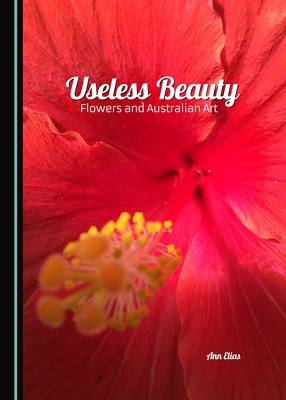
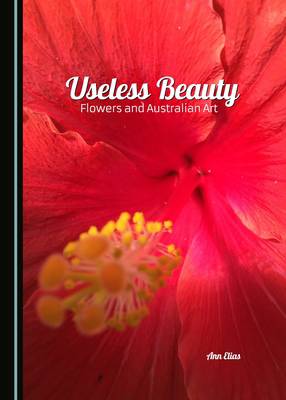
The story of Australian art does not begin and end with landscape. This book puts flowers front and centre, because they have often been ignored in preference for more masculine themes. Departing from where studies of single flower artists leave off, Useless Beauty embraces the general topic of flowers in Australian art and shines new light on a slice of Australian art history that extends from 1880 to 1950. It is the first book of broad chronology to discuss Australian art through blossoms, which it does by addressing stories of major figures including Hans Heysen, Margaret Preston and Sidney Nolan, as well as specific objects such as surreal flowers, Aboriginal flowers and war flowers. Whether modern or conservative, the artists in this study shared an intellectual and emotional passion for flora. This was true for men as well as women, despite blossoms being a more traditionally feminine subject. Through spectacular reproductions of historical and contemporary artworks drawn from collections in Australia, the United States, Britain and New Zealand, Useless Beauty explores how flowers influenced the psyche, governed rituals, defined identity and brought a psychological dimension to the everyday. The peak years for flower-centricity in Australian art were between 1920 and 1940 when flowers were known as the apotheosis of useless beauty.
Specificaties
Betrokkenen
- Auteur(s):
- Uitgeverij:
Inhoud
- Aantal bladzijden:
- 332
- Taal:
- Engels
Eigenschappen
- Productcode (EAN):
- 9781443875486
- Verschijningsdatum:
- 13/05/2015
- Uitvoering:
- Hardcover
- Formaat:
- Genaaid
- Afmetingen:
- 152 mm x 203 mm
- Gewicht:
- 798 g


Alleen bij Standaard Boekhandel
+ 315 punten op je klantenkaart van Standaard Boekhandel
Cadeau

AANGERADEN


Beoordelingen
We publiceren alleen reviews die voldoen aan de voorwaarden voor reviews. Bekijk onze voorwaarden voor reviews.