


- Afhalen na 1 uur in een winkel met voorraad
- Gratis thuislevering in België vanaf € 30
- Ruim aanbod met 7 miljoen producten
- Afhalen na 1 uur in een winkel met voorraad
- Gratis thuislevering in België vanaf € 30
- Ruim aanbod met 7 miljoen producten





€ 22,45
+ 44 punten
Uitvoering
Omschrijving
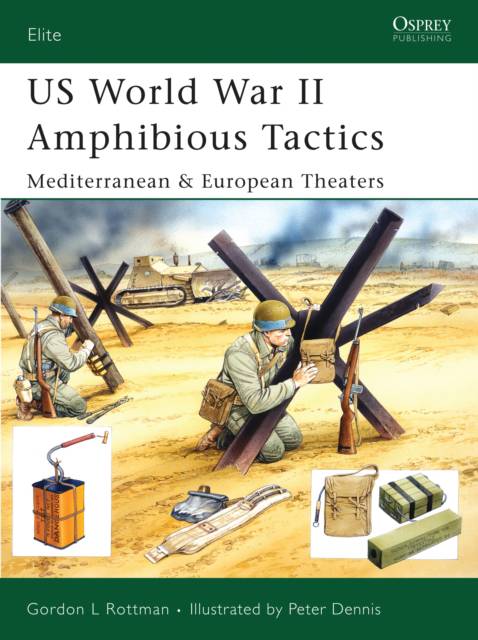
Osprey's examination of the United States' amphibious tactics during World War II (1939-1945). The US armed forces were responsible for many tactical innovations during the years 1941-5, but in no field was US mastery more complete than amphibious warfare. The US armed forces pioneered amphibious warfare in the Pacific and later in the Mediterranean but it was against Fortress Europe that the most famous and the most successful amphibious assault took place. On D-Day the Allies invaded German-held Normandy in a pre-dawn amphibious assault by American, British and Canadian forces. The US had perfected the special equipment and tactics for this extraordinarily difficult and risky form of warfare and despite large casualties during the beach assaults they were ultimately successful. This book explains, in accessible terms, the many problems associated with amphibious warfare and how they were overcome in the Mediterranean and European Theaters, and is illustrated with photographs, maps, diagrams and colour plates that support the explanations and bring the whole complex process to life.
Specificaties
Betrokkenen
- Auteur(s):
- Illustrator(s):
- Uitgeverij:
Inhoud
- Aantal bladzijden:
- 64
- Taal:
- Engels
- Reeks:
- Reeksnummer:
- nr. 144
Eigenschappen
- Productcode (EAN):
- 9781841769547
- Verschijningsdatum:
- 26/09/2006
- Uitvoering:
- Paperback
- Formaat:
- Trade paperback (VS)
- Afmetingen:
- 186 mm x 247 mm
- Gewicht:
- 213 g



Alleen bij Standaard Boekhandel
+ 44 punten op je klantenkaart van Standaard Boekhandel
Cadeau

AANGERADEN


Beoordelingen
We publiceren alleen reviews die voldoen aan de voorwaarden voor reviews. Bekijk onze voorwaarden voor reviews.