


- Afhalen na 1 uur in een winkel met voorraad
- Gratis thuislevering in België vanaf € 30
- Ruim aanbod met 7 miljoen producten
- Afhalen na 1 uur in een winkel met voorraad
- Gratis thuislevering in België vanaf € 30
- Ruim aanbod met 7 miljoen producten





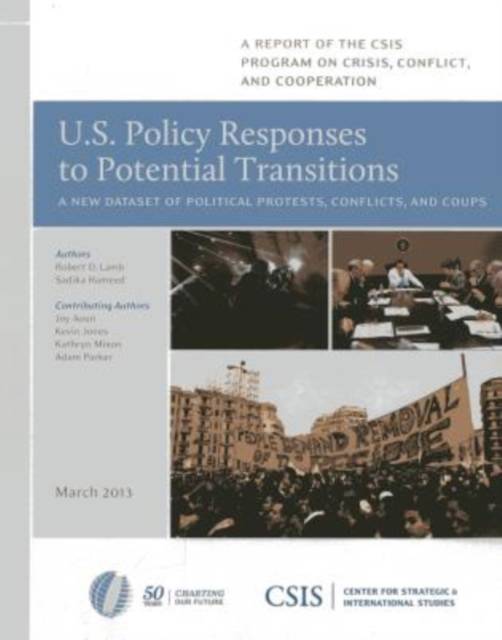
U.S. Policy Responses to Potential Transitions
A New Dataset of Political Protests, Conflicts, and Coups
Robert D Lamb, Sadika Hameed
€ 101,95
Omschrijving
Every three weeks, a major political crisis begins somewhere in the world. The United States intervenes in less than a fifth of them. But that is still a new U.S. intervention about every two months. And almost all of them are civilian interventions; less than a third involve the military. CSIS has released a new dataset of "potential transitions" worldwide, covering responses to 758 political crises between 1989 and 2010, including 134 civilian and military interventions. The report describes the dataset and presents the results of the initial analysis. Its recommendations focus on the disconnect between the high demand for civilian power and the support civilian institutions have for responding to such crises, and on the importance of caution and moderation when deciding whether and how to intervene.
Specificaties
Betrokkenen
- Auteur(s):
- Uitgeverij:
Inhoud
- Aantal bladzijden:
- 96
- Taal:
- Engels
- Reeks:
Eigenschappen
- Productcode (EAN):
- 9781442224650
- Verschijningsdatum:
- 7/06/2013
- Uitvoering:
- Paperback
- Formaat:
- Trade paperback (VS)
- Afmetingen:
- 210 mm x 279 mm
- Gewicht:
- 240 g


Alleen bij Standaard Boekhandel
Cadeau

AANGERADEN


Beoordelingen
We publiceren alleen reviews die voldoen aan de voorwaarden voor reviews. Bekijk onze voorwaarden voor reviews.