


- Afhalen na 1 uur in een winkel met voorraad
- Gratis thuislevering in België vanaf € 30
- Ruim aanbod met 7 miljoen producten
- Afhalen na 1 uur in een winkel met voorraad
- Gratis thuislevering in België vanaf € 30
- Ruim aanbod met 7 miljoen producten





€ 173,45
+ 346 punten
Omschrijving
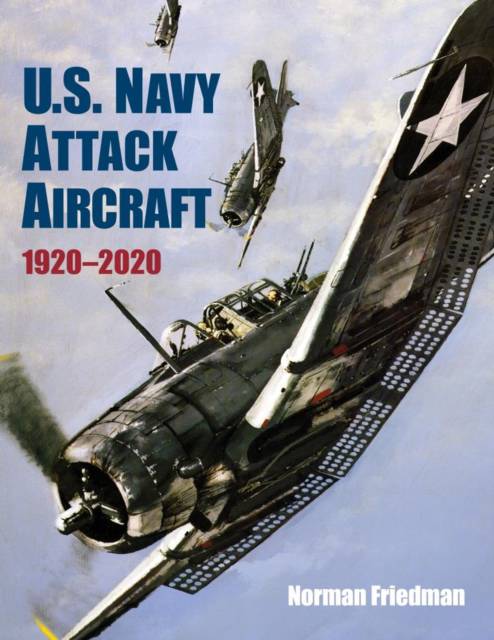
U.S. Navy Attack Aircraft, 1920-2020 is uniquely told from the point of view of the Navy, as understood through its previously-classified documents. Spanning a century from the earliest airplanes conceived to operate from U.S. carriers in 1920, to the current F-35 Joint Strike Fighter (JSF) Both the requirements and the available technology kept changing. In many cases the Navy drove the technology. Norman Friedman is the first to take the requirements and the available technology into account to explain the choices the Navy made. The airplanes the Navy bought were always designers' attempts to meet specific demands set by the kind of warfare the Navy expected. The reader sees Navy successes and failures in guessing at the future. This is a unique way to understand the panoply of airplanes the Navy has relied on through the years, and why some succeeded but others failed.
Specificaties
Betrokkenen
- Auteur(s):
- Uitgeverij:
Inhoud
- Aantal bladzijden:
- 480
- Taal:
- Engels
Eigenschappen
- Productcode (EAN):
- 9781682474174
- Verschijningsdatum:
- 15/05/2022
- Uitvoering:
- Hardcover
- Formaat:
- Genaaid
- Afmetingen:
- 218 mm x 282 mm
- Gewicht:
- 1746 g


Alleen bij Standaard Boekhandel
+ 346 punten op je klantenkaart van Standaard Boekhandel
Cadeau

AANGERADEN


Beoordelingen
We publiceren alleen reviews die voldoen aan de voorwaarden voor reviews. Bekijk onze voorwaarden voor reviews.