


- Afhalen na 1 uur in een winkel met voorraad
- Gratis thuislevering in België vanaf € 30
- Ruim aanbod met 7 miljoen producten
- Afhalen na 1 uur in een winkel met voorraad
- Gratis thuislevering in België vanaf € 30
- Ruim aanbod met 7 miljoen producten





Omschrijving
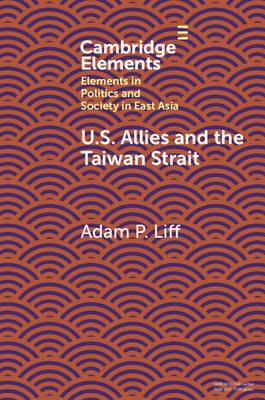
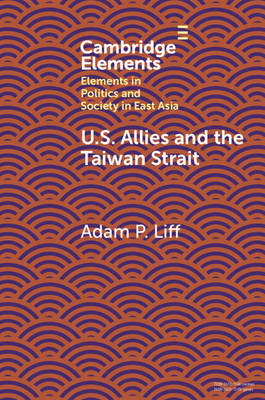
Against the backdrop of worsening tensions across the Taiwan Strait, this Element analyzes the positions and policies vis-à-vis Taiwan of six major democratic US treaty allies-Japan, Australia, South Korea, the United Kingdom, France, Germany-and the European Union. Historically and today, these US partners have exercised far greater agency supporting Taiwan's international space and cross-Strait stability-in key instances even blazing early trails Washington would later follow-than the overwhelmingly US-centric academic and policy discourse generally suggests. Decades ago, each crafted an intentionally ambiguous official position regarding Taiwan's status that effectively granted subsequent political leaders considerable flexibility to operationalize their government's 'One China' policy and officially 'unofficial' relationship with Taiwan. Today, intensifying cross-Strait frictions ensure that US allies' policy choices will remain critical factors affecting the status quo's sustainability and democratic Taiwan's continued viability as an autonomous international actor. This title is also available as Open Access on Cambridge Core.
Specificaties
Betrokkenen
- Auteur(s):
- Uitgeverij:
Inhoud
- Aantal bladzijden:
- 110
- Taal:
- Engels
- Reeks:
Eigenschappen
- Productcode (EAN):
- 9781009405669
- Verschijningsdatum:
- 5/02/2026
- Uitvoering:
- Paperback
- Formaat:
- Trade paperback (VS)
- Afmetingen:
- 152 mm x 229 mm
- Gewicht:
- 158 g


Alleen bij Standaard Boekhandel
+ 72 punten op je klantenkaart van Standaard Boekhandel
Cadeau

AANGERADEN


Beoordelingen
We publiceren alleen reviews die voldoen aan de voorwaarden voor reviews. Bekijk onze voorwaarden voor reviews.