


- Afhalen na 1 uur in een winkel met voorraad
- Gratis thuislevering in België vanaf € 30
- Ruim aanbod met 7 miljoen producten
- Afhalen na 1 uur in een winkel met voorraad
- Gratis thuislevering in België vanaf € 30
- Ruim aanbod met 7 miljoen producten


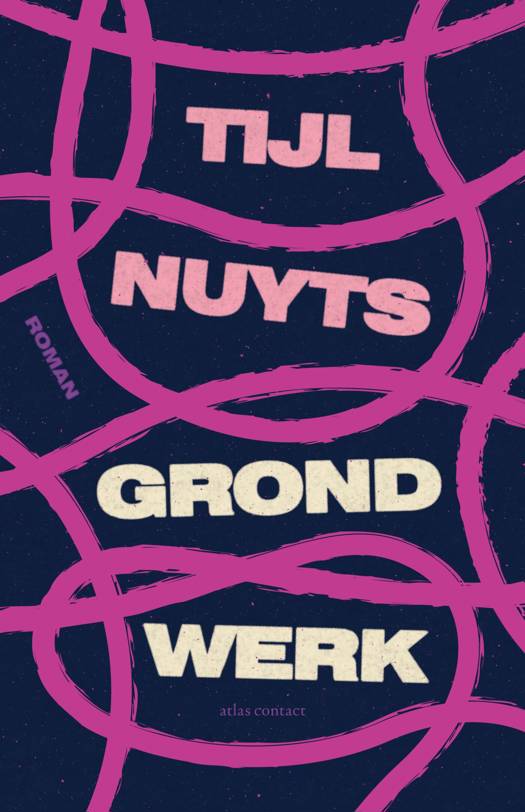


Urheberrecht Und Scharia
Eine Vergleichende Untersuchung Von Normativen Und Narrativen Am Beispiel Des Iranischen Rechts
Maurice Zomorrodi
€ 54,45
+ 108 punten
Omschrijving
The globalization of law necessitates compelling moral narratives because the persuasiveness of law depends on the moral recognition (acceptance) of the idea of law. Therefore, copyright law must also be grounded on an interreligious and intercultural value foundation. The legal systems of Islamic countries - such as Iran's - have significantly differentiated and developed independently from Western legal systems. When comparing these legal systems one can expect the greatest possible differences while also assuming that the commonalities approach universal norms of justice as closely as possible. Thus, the connecting narratives represent a universal moral imperative to protect creators.
Specificaties
Betrokkenen
- Auteur(s):
- Uitgeverij:
Inhoud
- Aantal bladzijden:
- 337
- Taal:
- Duits
- Reeks:
- Reeksnummer:
- nr. 56
Eigenschappen
- Productcode (EAN):
- 9783847117568
- Verschijningsdatum:
- 9/12/2024
- Uitvoering:
- Hardcover
- Formaat:
- Genaaid
- Afmetingen:
- 154 mm x 231 mm
- Gewicht:
- 322 g


Alleen bij Standaard Boekhandel
+ 108 punten op je klantenkaart van Standaard Boekhandel
AANGERADEN


Beoordelingen
We publiceren alleen reviews die voldoen aan de voorwaarden voor reviews. Bekijk onze voorwaarden voor reviews.