


- Afhalen na 1 uur in een winkel met voorraad
- Gratis thuislevering in België vanaf € 30
- Ruim aanbod met 7 miljoen producten
- Afhalen na 1 uur in een winkel met voorraad
- Gratis thuislevering in België vanaf € 30
- Ruim aanbod met 7 miljoen producten





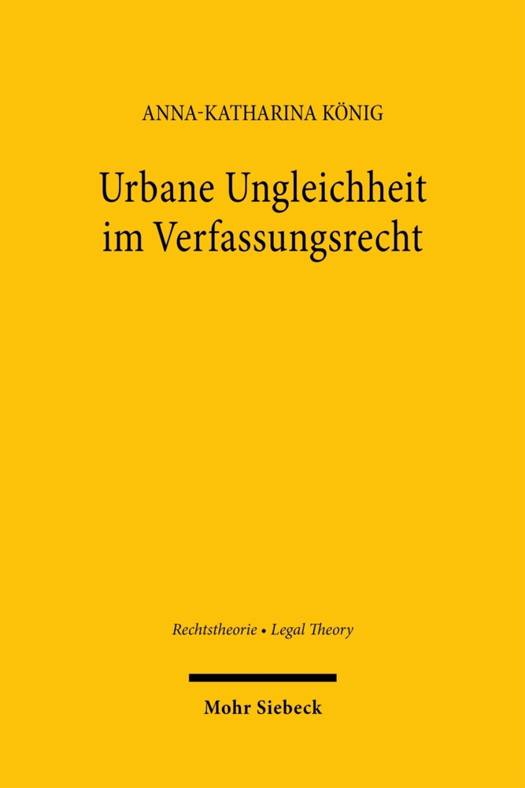
Urbane Ungleichheit im Verfassungsrecht
Zum Einfluss des Verfassungsrechts auf Raum, Macht und Teilhabe in der Stadt
Anna-Katharina König
€ 126,45
+ 252 punten
Omschrijving
Anna Katharina König analyses urban inequality as one of the central social issues of our time. Urban inequality has a significant constitutional dimension, as constitutions set fundamental parameters for the distribution of resources and the shaping of social order. From a comparative constitutional perspective, the author examines how German and South African constitutional law structure housing-related inequality and how constitutional courts address the resulting conflicts. While in Germany a defensive, property-based conception of fundamental rights prevails, tending to stabilise existing distributive arrangements, South Africa has developed a procedural understanding of fundamental rights that enables participatory processes of negotiation. Anna Katharina König demonstrates that this understanding can also be applied to property rights, thereby opening up new legal avenues for addressing urban inequality.
Specificaties
Betrokkenen
- Auteur(s):
- Uitgeverij:
Inhoud
- Taal:
- Duits
- Reeks:
Eigenschappen
- Productcode (EAN):
- 9783162004352
- Uitvoering:
- Hardcover
- Afmetingen:
- 155 mm x 232 mm


Alleen bij Standaard Boekhandel
+ 252 punten op je klantenkaart van Standaard Boekhandel

Beoordelingen
We publiceren alleen reviews die voldoen aan de voorwaarden voor reviews. Bekijk onze voorwaarden voor reviews.