


- Afhalen na 1 uur in een winkel met voorraad
- Gratis thuislevering in België vanaf € 30
- Ruim aanbod met 7 miljoen producten
- Afhalen na 1 uur in een winkel met voorraad
- Gratis thuislevering in België vanaf € 30
- Ruim aanbod met 7 miljoen producten





€ 68,90
+ 137 punten
Omschrijving
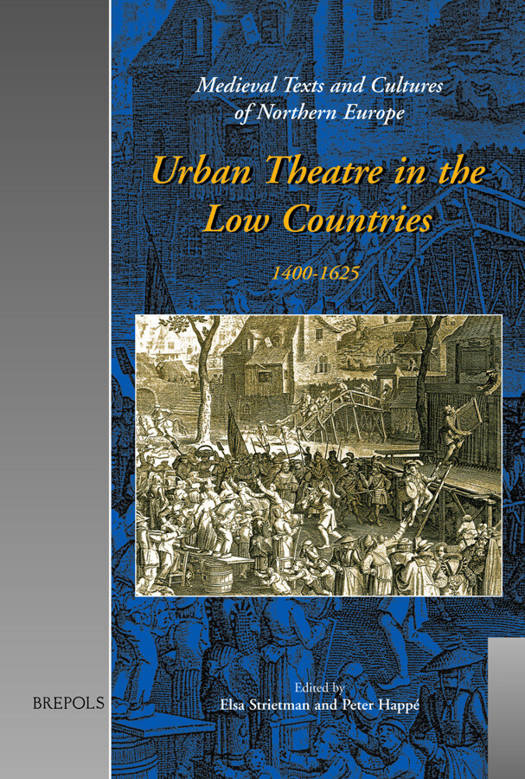
This collection of essays by international scholars focuses on the vernacular urban culture of the Chambers of Rhetoric in the Low Countries of the fifteenth and sixteenth centuries. Reflecting social, religious, and economic realities at a time of fundamental change, the Rhetoricians' plays also reveal a range of poetic and theatrical conventions that make them an important source of information both on practical stagecraft and on the role of theatre in the urban community, as seen in their involvement in civic processions or the organization of drama competitions. The volume sets the Rhetoricians' drama in the cultural life of the provinces of the Low Countries during a period dominated by ruling foreign dynasties: the Burgundian dukes and then the Habsburg dynasty, most prominently the Emperor Charles V and his son King Philip II of Spain. It was a time of intense religious controversy which gave rise to debates both on and off stage. These debates, far from damaging Rhetorician culture, actually stimulated its activities and development to such an extent that Rhetoricians became representative voices for their time. The admixture of entertainment and education offered by the Chambers to their own members - and to a wider public - was one which, though originating in a medieval context, soon became linked with humanist and Renaissance thinking. This volume illustrates how, as a consequence, the Chambers of Rhetoric contributed to the development in the Low Countries of an increasingly articulate society.
Specificaties
Betrokkenen
- Auteur(s):
- Uitgeverij:
Inhoud
- Aantal bladzijden:
- 332
- Taal:
- Engels
- Reeks:
- Reeksnummer:
- nr. 12
Eigenschappen
- Productcode (EAN):
- 9782503517001
- Verschijningsdatum:
- 30/01/2007
- Uitvoering:
- Hardcover
- Formaat:
- Genaaid
- Afmetingen:
- 166 mm x 248 mm
- Gewicht:
- 739 g


Alleen bij Standaard Boekhandel
+ 137 punten op je klantenkaart van Standaard Boekhandel
Cadeau

AANGERADEN


Beoordelingen
We publiceren alleen reviews die voldoen aan de voorwaarden voor reviews. Bekijk onze voorwaarden voor reviews.