


- Afhalen na 1 uur in een winkel met voorraad
- Gratis thuislevering in België vanaf € 30
- Ruim aanbod met 7 miljoen producten
- Afhalen na 1 uur in een winkel met voorraad
- Gratis thuislevering in België vanaf € 30
- Ruim aanbod met 7 miljoen producten





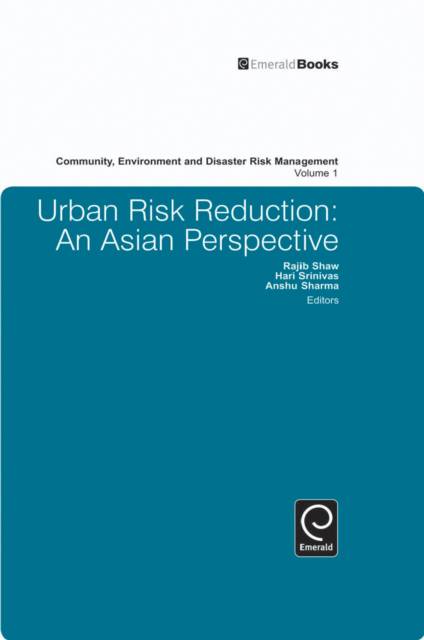
Urban Risk Reduction
An Asian Perspective
€ 309,45
+ 618 punten
Omschrijving
As cities all over the world have urbanized rapidly after the industrial revolution, most cities have confronted environmental problems such as poor air and water quality, high levels of traffic congestion and ambient noise, poor-quality built environment, derelict land, greenhouse gas emissions, urban sprawl, generation of waste and waste-water. In particular, cities in the developing world face problems related to the living conditions in which the urban population lives. In the context of urban cities in the developing world, it can be narrowed to the quality of life of living population in the cities. Needless to say that Asia has the largest population, as well as urban population at risk. This book brings the lessons from innovative urban risk management approaches in Asian cities, drawing the lessons from seven Asian countries. The authors of the chapters consists of wider spectrum of stakeholders: from academicians to policy makers to NGO practitioners.
Specificaties
Betrokkenen
- Uitgeverij:
Inhoud
- Aantal bladzijden:
- 230
- Taal:
- Engels
- Reeks:
- Reeksnummer:
- nr. 1
Eigenschappen
- Productcode (EAN):
- 9781848559066
- Verschijningsdatum:
- 4/12/2009
- Uitvoering:
- Hardcover
- Formaat:
- Genaaid
- Afmetingen:
- 157 mm x 229 mm
- Gewicht:
- 680 g

Alleen bij Standaard Boekhandel
+ 618 punten op je klantenkaart van Standaard Boekhandel
Cadeau

AANGERADEN


Beoordelingen
We publiceren alleen reviews die voldoen aan de voorwaarden voor reviews. Bekijk onze voorwaarden voor reviews.