


- Afhalen na 1 uur in een winkel met voorraad
- Gratis thuislevering in België vanaf € 30
- Ruim aanbod met 7 miljoen producten
- Afhalen na 1 uur in een winkel met voorraad
- Gratis thuislevering in België vanaf € 30
- Ruim aanbod met 7 miljoen producten





Omschrijving
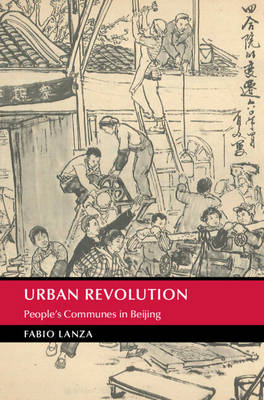
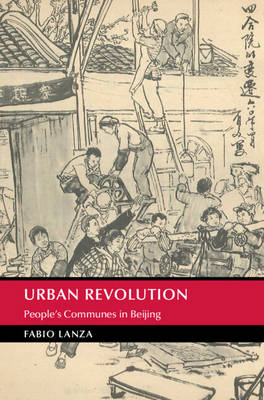
During the Great Leap Forward (1958-62), the collectivization of the Chinese countryside had catastrophic results, but how did this short-lived political experiment reshape urban life? In the first English history of urban collectivization, Fabio Lanza explores the most radical attempts to remake cities under Mao. Examining the universalization of production, the collectivization of life, including communal canteens and nurseries, and women's liberation, intended to transform modern urban life along socialist lines, he shows how many residents, and women in particular, struggled to enact a radical change in their everyday lives. He argues that the daily reality of millions of city residents proved the limitations of an effort that tied emancipation to industrial labor and substituted subjugation to the assembly line for subjugation to the stove, confronting some of the crucial contradictions of the socialist revolution.
Specificaties
Betrokkenen
- Auteur(s):
- Uitgeverij:
Inhoud
- Aantal bladzijden:
- 290
- Taal:
- Engels
- Reeks:
Eigenschappen
- Productcode (EAN):
- 9781009682435
- Verschijningsdatum:
- 21/05/2026
- Uitvoering:
- Hardcover
- Formaat:
- Genaaid
- Afmetingen:
- 152 mm x 229 mm
- Gewicht:
- 557 g


Alleen bij Standaard Boekhandel
+ 331 punten op je klantenkaart van Standaard Boekhandel
Cadeau

AANGERADEN


Beoordelingen
We publiceren alleen reviews die voldoen aan de voorwaarden voor reviews. Bekijk onze voorwaarden voor reviews.